A Designer's Review of the Oyster Mushroom Bluework Embroidery Design
As someone who has spent years embroidering personalized gifts for clients, I always test a new design thoroughly before letting it meet a customer's precious fabric. Today, I'm looking at the Oyster Mushroom Bluework machine embroidery design, imagining it stitched onto a baby blanket, a kitchen towel, or a wedding keepsake pillow. My goal is to see if this design has the charm and technical stability to become a reliable star in a gift shop’s collection.
The Immediate Charm and Emotional Pull of Oyster Mushroom Bluework
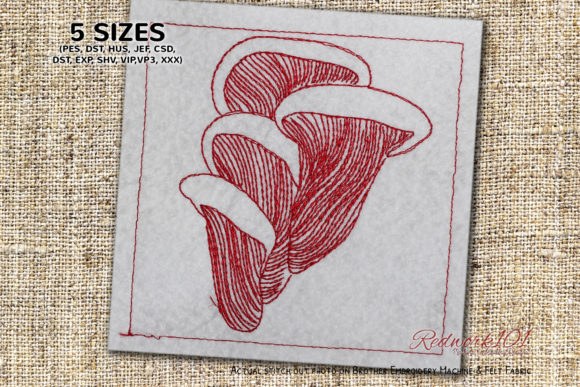
My first impression is one of quiet, natural elegance. The bluework style—typically a single color or tonal range—gives it a classic, handmade feel that is both modern and timeless. The oyster mushroom motif itself carries a gentle, earthy charm. It’s not overly sweet or playful, but rather sophisticated and calming. This emotional appeal is versatile: it could feel romantic on a wedding gift, serene in a nursery, or thoughtfully artistic on a chef’s apron. It doesn’t shout; it whispers, which often creates a deeper emotional connection for the recipient.
Versatile Applications for Personalized Gifts
This design’s true potential lies in its adaptability across the personalized gift market. For baby embroidery, it would be beautiful on a blanket corner or a simple wall hanging for a nature-themed nursery. As a wedding gift, stitched onto a pillow cover or a linen napkin set, it conveys growth and natural beauty. Family keepsakes like personalized towels or tea towels in the kitchen become special with this detail.
For sellers, think of practical products: craft fair tote bags, Etsy listings for custom pillow covers, or aprons for the food-loving customer. The Food category connection is organic here—it’s perfect for kitchen linens. As a digital embroidery file, it allows for easy custom order previews and printable mockups to show clients before the needle ever touches the fabric.
Where Oyster Mushroom Bluework Finds Its Perfect Home
- Baby Products: Blankets, nursery decor items, and delicate clothing accents.
- Home & Kitchen: Kitchen towels, apron pockets, and simple pillow covers.
- Wedding & Keepsakes: Ring bearer pillow covers, linen napkins, or framed embroidery.
- Market & Online Sales: Tote bags, tea towels, and handkerchiefs as staple small shop products.
Technical Considerations and Careful Application
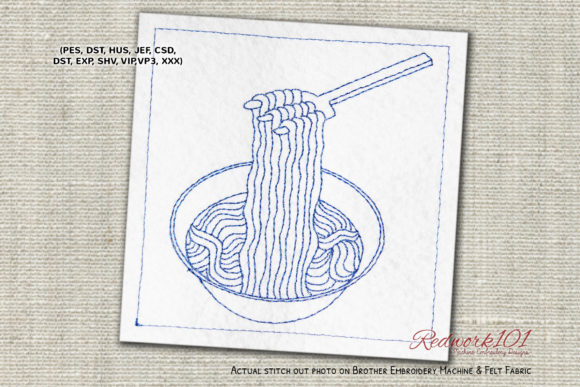
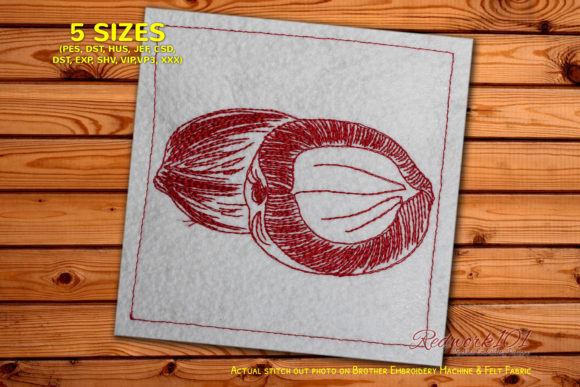
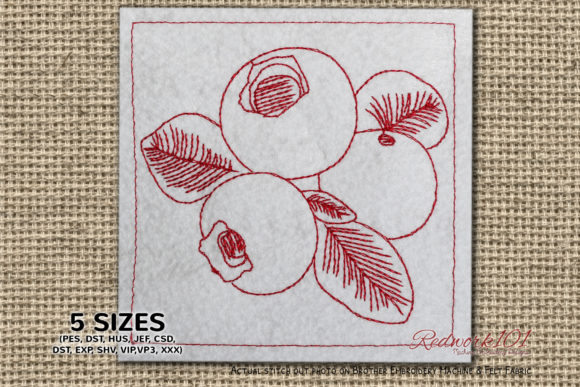
While the design feels elegant, its successful application depends on mindful execution. The description notes that “The Box Stitch shown in picture is optional,” and that the outer box color can vary or be skipped. This is crucial. It means the core mushroom design is the focus, but you must decide if an outline box fits your product vision.
Some applications require extra attention:
- Delicate Details & Small Lettering: If the design includes fine text or intricate mushroom gills, test stitch density on scrap fabric first.
- Textured or Difficult Fabrics: On thick towels or stretchy baby clothes, a proper stabilizer is non-negotiable.
- Dark Fabric: The bluework may need very high contrast thread colors to pop.
- Curved Surfaces & Frequent Washing: For items like curved tote bag pockets or linens that will be laundered often, a robust stitch structure is key to longevity.
Impact on Giftability, Value, and Customer Trust
From a business perspective, Oyster Mushroom Bluework elevates a product. Its handmade quality and aesthetic sophistication increase perceived value. A customer looking for a meaningful, personalized gift sees more than a commodity; they see a piece of art. This builds customer trust in your shop’s craftsmanship.
For product photography and buyer engagement, this design is a winner. Its clean, tonal presentation looks excellent in photos, making your Etsy listings or website visuals compelling. It tells a story of nature and care, which engages buyers emotionally and can turn a simple towel into a cherished heirloom.
A Quick Practical Checklist Before You Stitch
Before running this design for a real client order, I always do the following:
- Test on Scrap Fabric: Use the same material as the final product.
- Check Thread Color Contrast: Especially for light vs. dark background mockups.
- Confirm Hoop Size: Ensure the design dimensions fit your intended hoop and product area.
- Review Stitch Density: Look for potential thread buildup in small areas.
- Use Proper Stabilizer: Match it to your fabric type.
- Check Small Details After Stitching: Inspect the finished test piece closely.
- Confirm Commercial Licensing: If selling finished products, verify the digital embroidery file license allows commercial use.
Final Thoughts for the Embroidery Maker
The Oyster Mushroom Bluework design is a strong candidate for a personalized gift shop’s repertoire. Its emotional appeal is broad yet specific, fitting customers who appreciate understated, natural beauty. Its technical success hinges on your standard pre-production testing—never skip testing on scrap fabric! Remember, the optional box stitch element gives you flexibility; use it or skip it to match the product’s style.
For the embroidery designer, small business owner, or handmade seller, this design offers a path to creating products with high giftability and perceived quality. It’s a file that, with careful application, can become a trusted part of your custom embroidery offerings, bringing a touch of serene, earthy charm to baby blankets, wedding gifts, and everyday kitchen treasures.