A Joyful Dancing Old Women Embroidery Design Review
First Impression: A Spirited & Sellable Character Design
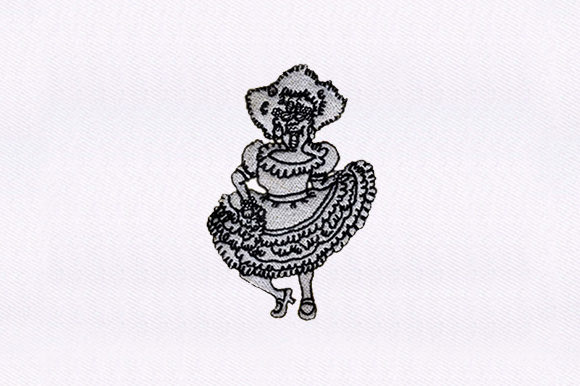
When I first saw the Dancing Old Women embroidery design, I knew I was looking at something with serious craft fair potential. The title itself evokes a joyful, playful mood—it's neither overly cute nor purely decorative. It feels character-driven, which is a huge selling point at markets. Customers connect with stories, and this design tells a tiny, wonderful story of celebration and energy. For handmade sellers targeting gifts, this emotional hook is key. The design likely leans toward a folk-art or rustic-modern aesthetic, making it versatile for farmhouse-style goods or more contemporary giftables.
Where This Design Will Shine on Your Booth Table
Your craft fair table is a visual battlefield for attention. Placement matters. Based on the mood, Dancing Old Women is a strong focal-point design. It won't work as a tiny, subtle accent. Here’s where I’d use it:
- Tote Bags & Market Bags: A large, central placement on a canvas or linen tote makes a statement. The joyful motion of the figures transforms a simple bag into a conversation piece.
- Aprons & Kitchen Towels: For the dance category, kitchen textiles are perfect. An apron pocket or a corner of a tea towel featuring this design adds personality to a utilitarian item.
- Pillow Covers: A single pillow with this embroidery can anchor a booth display, showcasing the quality and scale of your work.
- Embroidered Patches: This is a fantastic option. A finished, edged patch with Dancing Old Women allows customers to buy the design without committing to a full product, and it’s quicker to produce in batches.
I’d avoid putting it on items where the design might get lost or distorted, like the curved, small surface of a cap, unless you confirm the scaled-down version retains clarity.
Products to Prioritize for Maximum Sales Impact
To maximize your weekend’s profit, focus on products that combine high visual appeal with practical production. For Dancing Old Women, I recommend:
- Linen Tea Towels: They’re inexpensive to produce, giftable, and the design photographs beautifully against a plain, textured linen background for your Etsy listings.
- Canvas Tote Bags: A staple at any fair. They offer a large, flat stitching area and feel like a premium handmade product when embroidered.
- Ready-to-Sell Patches: Batch production is easier. Display them pinned to a fabric board—easy for customers to browse.
Production Notes & Practical Pitfalls to Avoid
Turning a digital embroidery file into a flawless finished product requires forethought. With a character-based design like this, a few areas need extra attention before you batch produce.
- Stitch Density & Fabric Choice: Check for dense stitch areas, especially if the figures have filled-in skirts or details. On textured tea towels or thicker canvas, use the correct stabilizer to prevent puckering and maintain that premium handmade quality.
- Size & Clarity: This design’s charm likely lies in details—perhaps facial expressions or dance poses. Always test it on scrap fabric at your intended hoop size before committing. Tiny details or small lettering (if included) can lose definition on dark fabrics or at very small scales.
- Thread Contrast: For online sales, contrast is everything. Test the design on both light and dark fabric scraps to ensure it pops. High contrast photographs better for your Etsy listings and printable mockups.
Since specific details like exact stitch count or minimum hoop size weren’t provided in the file format list, you must open the design in your software—whether you use PES, JEF, or any of the other included formats like DST or VIP—and review these parameters yourself.
Essential Pre-Sale Checklist for Embroidery Sellers
Before you stitch this onto a single product for sale, do this:
- Create one real, physical mockup. Not just a digital preview. Stitch it on the actual fabric you plan to use (linen, canvas, cotton).
- Inspect the stitch spacing and density. Look for any overly thick areas that might weaken the fabric or cause thread breaks during batch production.
- Compare fabric colors. See how the design looks on cream, white, black, and natural. Your booth display strength comes from variety.
- Confirm your commercial licensing. While the design is offered in many machine embroidery file formats, ensure your purchase allows for selling finished products at craft fairs and online.
Why This Design Engages Customers & Adds Value
From a sales perspective, Dancing Old Women does several important things. First, it’s easy to understand at a glance. At a busy fair, customers process visuals quickly. This design communicates its theme instantly—joy, dance, celebration—which triggers an emotional response. That increases buyer engagement. Second, it elevates a simple product. A plain tea towel becomes a unique gift; a standard tote bag becomes a story-carrying accessory. This perceived added value is what allows you to price it as a premium handmade product.
For your small shop brand, if you specialize in whimsical, character-driven, or celebratory items, this design reinforces your brand consistency. Displaying it alongside similar products creates a cohesive, professional booth that tells customers what your art is about.
Final Thoughts for the Creative Entrepreneur
Dancing Old Women is a design with clear commercial embroidery potential for craft fairs and online shops. Its strength is its narrative charm and versatility on popular giftable items like towels, totes, and patches. The key to success lies in your preparation: testing for clarity, choosing high-contrast fabrics, and producing a few standout booth samples that capture its joyful spirit. By addressing the practical points of stitch density and hoop size upfront, you can batch produce with confidence, turning this digital embroidery file into a reliable, attention-grabbing part of your handmade product line.