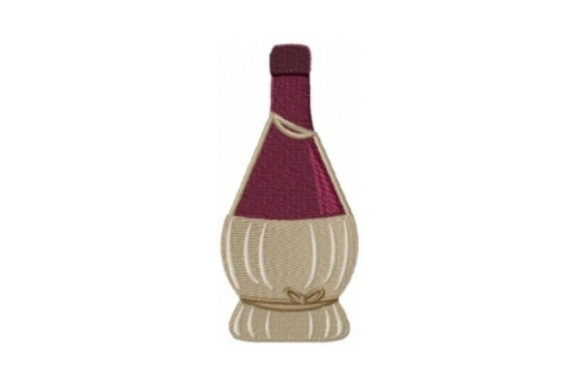
Chianti Bottle: A Wine Lover’s Embroidery Charm
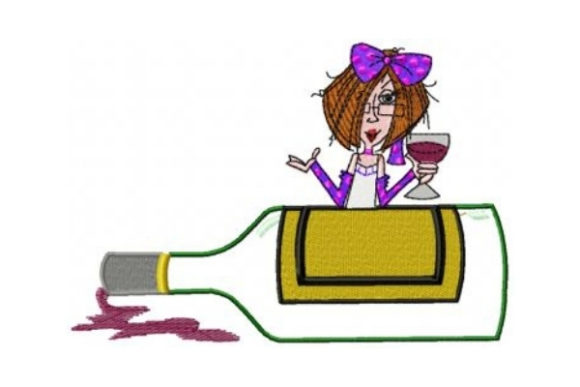
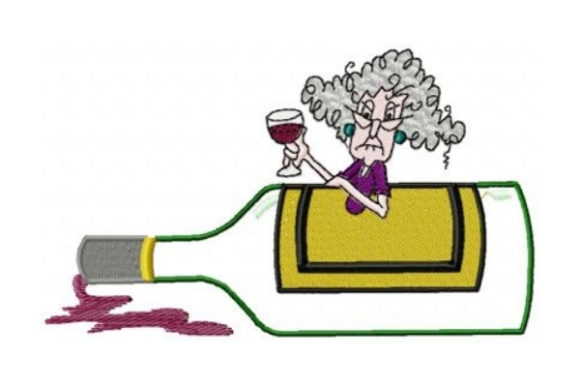
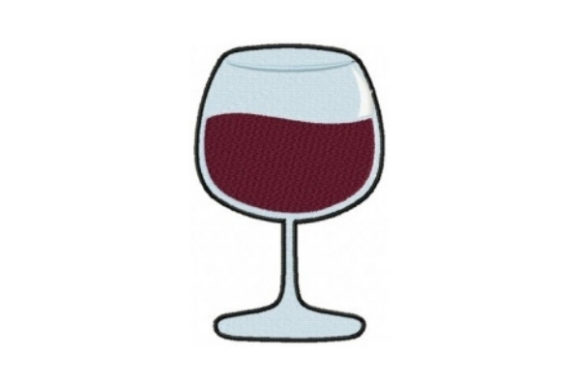
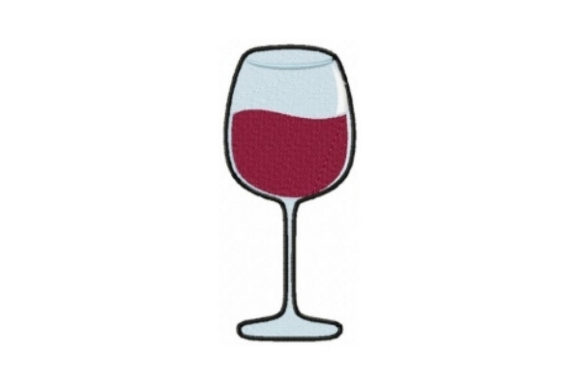
As I sit at my workbench, preparing samples for a weekend craft fair, the new Chianti Bottle embroidery file is next in line for review. The name itself promises a specific appeal: it’s not just a bottle, it’s a Chianti bottle. That suggests rustic Italian charm, a connection to wine culture, and a sense of convivial warmth. The description calls it “cute,” which sets a friendly, accessible tone. My first impression is that this design leans into a rustic, decorative, and giftable style. It’s not overly minimalist or aggressively funny; it feels like a soft, premium accent for handmade products.
Where the Chianti Bottle Design Stands Out in a Booth
In a crowded market or craft fair booth, visual clarity is currency. A customer needs to understand a design at a glance while walking past. The Chianti Bottle, by its very title, communicates its theme instantly. Wine lovers will notice it immediately. This makes it a strong candidate for products that serve as gifts or self-purchases for enthusiasts. On my display table, I envision it shining on a few key items.
For kitchen towels and aprons, it feels perfectly farmhouse. A tea towel with this embroidery near the hem becomes a functional decorative piece. On an apron, positioned on the chest pocket or waistband, it adds a personal, chef-friendly touch. These are classic craft fair staples with high turnover.
Tote bags and market bags are another prime canvas. Here, the design can be sized up to become a focal point. A bold Chianti Bottle on a neutral canvas tote bag feels modern-rustic and elevates a simple bag into a themed accessory. It photographs beautifully for online listings, providing a clear story for Etsy sellers and small shop product pages.
For smaller, lower-cost items that drive booth traffic, embroidered patches and fabric pouches are excellent. A patch allows the buyer to apply the design anywhere, adding versatility. A small zippered pouch with the bottle stitched on the front becomes a cute gift for a wine-themed present. These items are practical to produce in batches if the design’s stitch density is manageable.
Production Considerations for the Handmade Seller
Turning a digital embroidery file into a profitable, physical craft fair product requires practical judgment. With the Chianti Bottle, several factors come to mind as I plan my production run.
Design Scale and Clarity
The description says it “will look great on any fabric,” but an experienced designer knows that’s not automatic. I must consider how it scales. On a cap, with its curved surface, small details can lose definition. If the design has tiny lettering or intricate vine details, reducing it for a cap front might require simplifying elements. Conversely, on a pillow cover, a larger version could showcase beautiful detail, making it a premium decorative item.
Stitch density is a silent production cost. A very dense design uses more thread and time, which affects pricing and the speed of batch production for a craft fair. Before committing, I’ll test it on scrap fabric similar to my final products—like a textured towel or a thick canvas—to see how it performs.
Fabric and Thread Contrast
The design’s appeal hinges on contrast. On dark fabrics, like a black tote bag, the thread color selection becomes critical. A traditional bottle with green accents might need lighter greens and reds to pop. I’ll create at least one real mockup on a dark background to check this. For online sales, good contrast ensures the product photograph is striking, a must for Etsy listings and printable mockups used in marketing.
Fabric texture also matters. On a smooth cotton pillow cover, the design will look crisp. On a linen tea towel with more texture, the stitches might settle differently, giving a softer, more handmade quality—which can actually enhance its rustic charm.
Maximizing Sales Appeal and Booth Engagement
This design isn’t just about stitching; it’s about selling. At a craft fair, products need to tell a story quickly and justify their price. The Chianti Bottle adds perceived value by being thematic. A plain apron is a utility item; an apron embroidered with this design becomes a gift for a wine-loving cook, increasing its value and my pricing flexibility.
For brand consistency, if my booth or shop has a rustic, kitchen, or gift-focused aesthetic, this design strengthens that narrative. Displaying several products featuring the same bottle—a towel next to a pouch next to a tote—creates a cohesive collection that attracts buyers looking for a theme.
Buyer engagement is also key. A recognizable, cute design like this invites conversation. “Oh, my friend loves Chianti!” is a sentence I want customers to say at my booth. That social connection can turn a browse into a purchase.
Essential Designer Notes Before Production
Before I stitch my first batch for sale, my professional checklist is straightforward:
- Test on scrap fabric first. Use the same material as your final product (canvas, linen, cotton) to check for puckering, stitch clarity, and overall look.
- Check thread contrast against your planned fabric colors, especially for dark backgrounds.
- Review the design spacing in the embroidery file. Are elements too close for the fabric texture? Adjust if necessary.
- Confirm the hoop size required for your intended product scale. A tote bag needs a larger hoop than a patch. Ensure your machine can handle it.
- Inspect stitch density in the file preview. High-density areas might require a stronger stabilizer to prevent distortion on stretchy or lightweight fabrics.
- Use the right stabilizer. This is non-negotiable for professional-quality finished products, especially on items like caps or bags that undergo stress.
- Create at least one real, physical mockup. This is your final proof of how the Chianti Bottle looks as a handmade product. It also becomes a valuable sample for your booth display.
- Compare fabric colors. Does the design work on cream, white, slate, and black? Knowing your palette expands your product range.
- Confirm commercial licensing for the digital embroidery file. Before selling any finished product, ensure your purchase allows for commercial use. This is a critical step for all digital sellers and commercial embroidery businesses.
The Final Stitch: A Versatile Design for Creative Entrepreneurs
In conclusion, the Chianti Bottle machine embroidery design presents a strong opportunity for craft fair sellers and handmade shop owners. Its clear thematic appeal, rustic-cute aesthetic, and versatility across products like tote bags, aprons, tea towels, and patches make it a reliable candidate for driving sales. Its success will be determined by thoughtful production—paying attention to scale, fabric, contrast, and the practicalities of stitch density and stabilization. When executed well on a high-quality base product, it elevates a simple item into a themed, giftable treasure that catches the eye in a bustling booth and tells its story in a single, charming glance. For embroidery business owners looking to tap into the evergreen wine lover market, this design is a bottle worth uncorking.