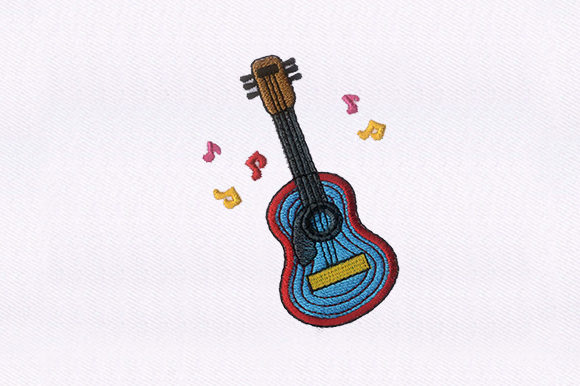
Why This Guitar Embroidery Design Excels for Boutique Apparel Projects
First Impression: A Versatile, Trend-Ready Visual
When browsing Creative Fabrica embroidery for a new collection, the Guitar design immediately stood out. Its visual personality strikes a balance between decorative strength and subtle charm. It feels neither overly cute nor aggressively bold; instead, it carries a classic, slightly rustic mood that’s incredibly adaptable. The level of detail suggests it will stitch with clear definition, making it suitable for both a premium statement piece and a casual, everyday accent. This is exactly the kind of machine embroidery design that can anchor a cohesive apparel line.
Planning a Sweatshirt and Hoodie Collection with Guitar
Imagine a small capsule collection: neutral cream sweatshirts, pastel mint hoodies, and deep charcoal apparel. The Guitar embroidery file, with its organic shape and interesting contours, would translate beautifully across this spectrum. On a light neutral sweatshirt, it would offer a clean, focused detail. On a pastel hoodie, it becomes a gentle, artistic touch. On dark garments, with a thoughtful thread color choice—perhaps a gold or silver metallic for contrast—it would truly pop as a sophisticated element.
Its scale makes it ideal for classic chest placement on standard and oversized garments. It could also serve as a perfect sleeve accent for a more modern, streetwear-inspired look. For a bold back design on a hoodie, pairing it with minimal text or a small repeat could create a compelling, brand-defining graphic.
Beyond Sweatshirts: Expanding the Product Range
The versatility extends further. For a t-shirt embroidery project, using a lighter weight stabilizer, Guitar would add a music-themed flair without overwhelming the fabric. On a denim jacket, it could become a permanent, personalized patch. Applied to a canvas tote bag, it transforms a simple accessory into a handmade product with a unique story. These applications are perfect for building a boutique brand merchandise line or for Etsy sellers looking to offer coordinated lifestyle items.
This design also supports strong product presentation. In product photos, printable mockups, and Etsy listings, a well-embroidered Guitar provides a clear, recognizable focal point that communicates craftsmanship. It helps create visual consistency across your shop’s social media graphics and marketing materials.
Where Guitar Adds Value and Builds Trust
From a business perspective, using a clean, well-executed design like Guitar directly affects perceived apparel value. It signals attention to detail and reinforces professional presentation. For a small shop product, this builds buyer trust—customers recognize the effort behind a precise embroidery. When used consistently, it can enhance product recognition and become a subtle part of your brand identity, especially if you cater to a music-loving or creatively inclined audience. It encourages customer engagement because it’s not just a generic logo; it’s an evocative, conversation-starting image.
Practical Considerations for Commercial Embroidery
While the design’s aesthetic is promising, its success depends on technical execution. As with any digital embroidery file intended for commercial embroidery, a few careful steps are essential.
Testing and Setup Are Key
Always test on scrap fabric first, preferably a piece similar to your final garment fabric—whether it’s sweatshirt fleece, jersey for t-shirts, or canvas for bags. This reveals how the stitch density interacts with your material. For stretchy fabrics like hoodie fleece or ribbed cuffs, stabilizer choice is critical to prevent puckering. Inspect the design’s stitch density in your software; areas that are too dense on curved surfaces or on dark garments (where thread buildup is more visible) might require adjustment.
Review thread color contrast relative to your fabric color. A design with this much potential detail can lose impact if the contrast is too low. Confirm hoop size requirements by checking the design dimensions in your embroidery software before stitching. The provided file formats—including PES, JEF, DST, and others—mean wide machine compatibility, but always verify the file works correctly on your specific system.
Placement and Scale Decisions
For small chest placement, ensure the design isn’t too large or too detailed to be appreciated at a smaller size. On dense stitch areas, consider using a lighter thread weight if the fabric is delicate. Be mindful when embroidering on areas that may stretch or wrinkle, like the sides of a tote bag or the lower hem of a sweatshirt; adequate stabilization and perhaps a smaller hoop size can mitigate issues.
A Final Note for Creative Entrepreneurs
The Guitar design from the Music category on Creative Fabrica is a robust tool for apparel decorators. Its strength is its adaptability across projects—from a simple t-shirt to a premium hoodie—allowing you to scale a theme across a product line. Before proceeding to sell finished apparel, always check the Creative Fabrica product details and licensing to ensure your use aligns with their terms for commercial projects. This simple step protects your business and allows you to create with confidence.
By approaching this embroidery file with a designer’s eye for context and a technician’s care for execution, you can transform it into a valuable asset for your custom apparel ventures, elevating your collection’s feel and solidifying your brand’s thoughtful craftsmanship.