A Designer's Review of the Zygentoma Lineart Embroidery File
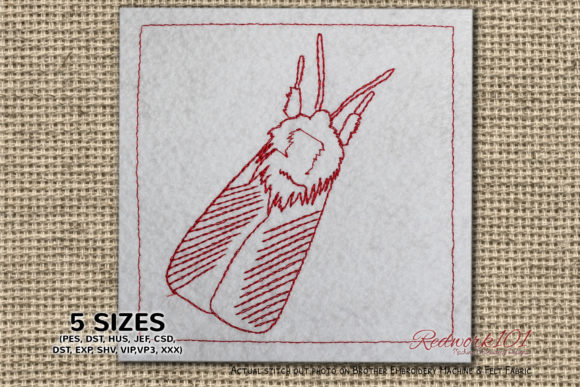
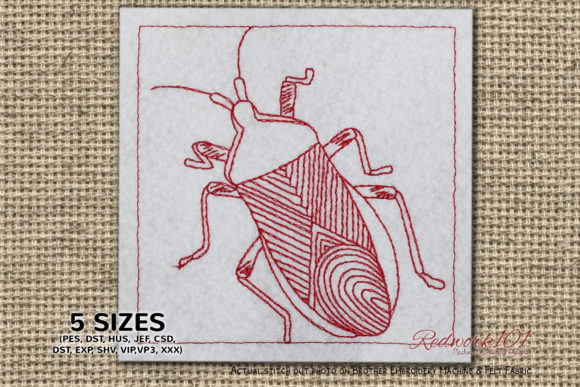
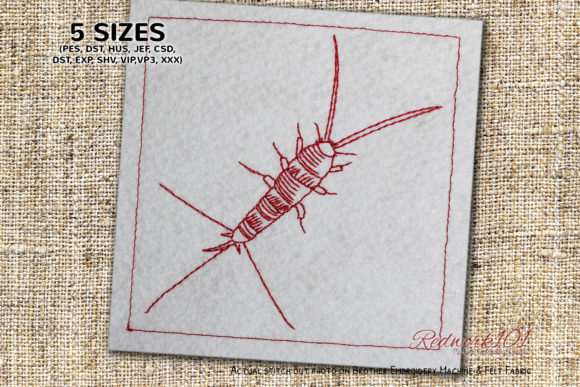
As someone who prepares designs for craft fairs every week, my first look at Zygentoma Lineart tells me this is a specific, bold choice. The name suggests a detailed, scientific illustration style—a lineart drawing of a silverfish. This isn't a generic cute bug; it's a graphic, almost minimalist representation. For a handmade market, this design leans into a modern, educational, or naturalist aesthetic. It feels decorative and premium, rather than rustic or farmhouse. Its appeal will be to customers who appreciate clean lines and a touch of quirky, natural detail.
Where Zygentoma Lineart Stands Out on Your Booth Table
When I imagine my display table—filled with tote bags, aprons, tea towels, and pouches—I see Zygentoma Lineart serving a particular role. It won't be the mass-appeal, funny design. Instead, it will act as a sophisticated accent piece that draws a curious eye. It works exceptionally well as a focal point on items where the design can be appreciated clearly. A simple, high-quality cotton tote bag or a minimalist pillow cover would be perfect canvases. The lineart style gives it a contemporary feel that pairs beautifully with neutral or solid-colored fabrics.
For craft fair products, consider these applications:
- Tote bags and market bags: The design offers a clean, graphic statement that elevates a basic bag.
- Pillow covers: A single, well-placed embroidery on a linen pillow can look stunning and intentional.
- Aprons and kitchen towels: Here, it becomes a subtle, intellectual detail for the science-loving or minimalist cook.
- Embroidered patches: This is a strong option. The lineart style is ideal for a patch, making it a collectible item for enthusiasts.
- Fabric pouches and small gifts: On a small pouch, it becomes a unique signature, suggesting quality and attention to detail.
Production & Selling: Practical Points for Your Business
Turning this digital embroidery file into profitable handmade products requires some practical thinking.
Design Clarity & Customer Attention
The design is likely easy to understand at a glance—it's a recognizable insect form. This is good for quick booth engagement. However, the detail in the lineart means it needs space to breathe. It will perform best as a medium to large-scale embroidery. On a curved surface like a cap, small details might lose clarity unless the design is simplified or enlarged. The note about "The Box Stitch" being optional is crucial. That outer box can frame the design, but if its color differs, it adds another production step. Skipping it creates a purer, more minimal finished product, which I prefer for this style.
Photography & Online Sales
For your Etsy listings or online shop, this design will photograph very well. The clear lines and likely contrasting thread colors will stand out against fabric in pictures. Creating a good printable mockup or, better yet, a real physical mockup on a tea towel or tote is essential to show its true handmade quality. This isn't a design that hides on dark fabrics without careful thread selection; test contrast thoroughly.
Batch Production & Efficiency
For batch production, Zygentoma Lineart seems promising. A clean lineart design often has manageable stitch density, meaning faster machine embroidery time and less thread usage. This improves your unit cost. The repeatability is high—once you perfect the hoop size, stabilizer, and fabric choice, running a batch of pillow covers or patches should be straightforward. Always confirm the commercial licensing of the embroidery file before selling any products.
Careful-Use Notes for the Embroidery Designer
Before you load the file and start stitching for your craft fair booth, here are my professional notes.
- Test on Scrap Fabric First: Always. This helps you understand how the design interacts with your chosen fabric texture. Textured towels or thick canvas might require adjustments.
- Check Thread Contrast: The success of lineart depends on sharp contrast. Don't assume; stitch a sample on both light and dark background fabrics.
- Review Spacing & Tiny Details: Examine the file preview for any extremely small details or tight spaces that might get lost or cause stitching issues.
- Inspect Stitch Density: While often lighter, some lineart can have dense areas. Check this to ensure it's suitable for thinner fabrics like pouches.
- Create a Real Mockup: For your best-selling product idea (like a tote bag), make one perfect sample. This becomes your booth display hero and sets the quality standard.
- Compare Fabric Colors: The "different color" outer box note means color planning is key. Have a thread chart ready for efficient production switching if you use the box.
The Final Word on Value & Booth Impact
In the crowded environment of a handmade market, Zygentoma Lineart offers a chance to differentiate. It speaks to a niche audience with a premium, modern aesthetic. This strengthens your brand consistency if your shop leans toward natural, graphic, or educational themes. As a small shop product, it adds perceived value through its specificity and clean execution. On your booth table, a well-made item featuring this design—like a crisp linen pillow—acts as a quality anchor, engaging buyers who are looking for something thoughtful and unique beyond the typical motifs. Its strength is not in universal appeal, but in captivating a specific customer, which is often where real loyalty and higher-value sales are built.
My advice is to lean into its strengths: minimalism, clarity, and natural detail. Pair it with high-quality materials, produce it with care, and position it as a decorative, intelligent choice for the home or wardrobe. For the embroidery business owner, it’s a design that, with proper testing and presentation, can become a profitable and distinctive part of your craft fair product lineup.