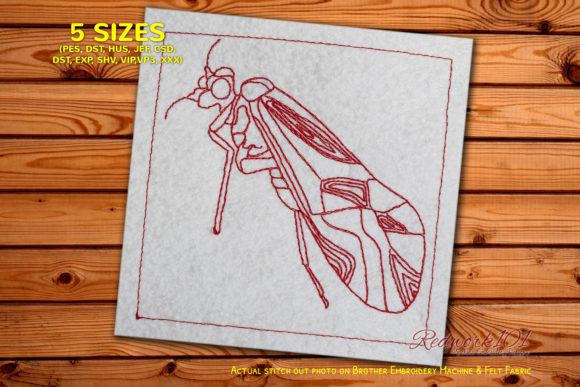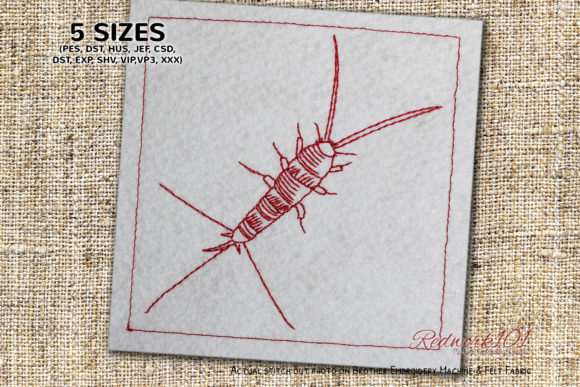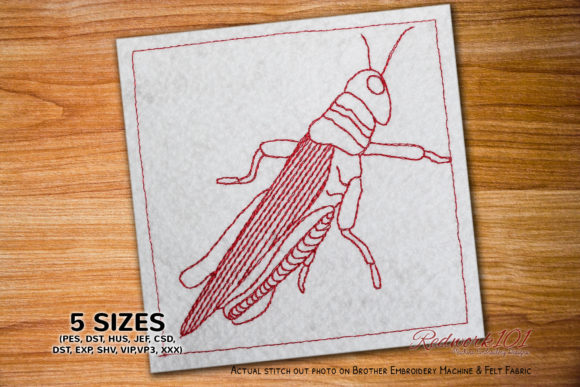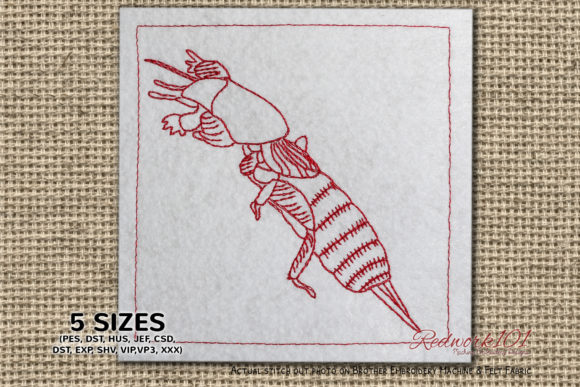
A Professional Embroidery Review: The Whitefly Bug Design for Business Merchandise
First Impressions: The Personality of the Whitefly Bug Design
When evaluating an embroidery file for business use, the first impression is crucial. The Whitefly Bug design immediately presents a mix of delicate detail and natural character. The name suggests a specific, organic motif, which can convey a feeling of being handmade, rustic, or connected to nature. This is a design that leans more towards playful and decorative than strictly corporate or austere. For a business, this means it can project a friendly, approachable, and creative brand identity. It feels less like a formal logo and more like a charming accent or illustrative badge—perfect for businesses wanting to soften their visual presence or connect with a specific theme, like gardening, ecology, or bespoke craftsmanship.
Real-World Business Applications: Where the Whitefly Bug Thrives
As a professional embroidery designer, I visualize how a design performs across various products. The Whitefly Bug has several strong applications for small business merch.
Embroidered Patches & Branded Product Labels
This is a prime use case. An embroidered patch featuring the Whitefly Bug could serve as a beautiful accent on product packaging for a boutique, a unique label for a handmade product line, or a sew-on badge for customer gifts. It adds a tangible, premium feel to handmade products, enhancing perceived value. For a café or bakery with a rustic theme, a small patch on a tote bag or apron sold as merchandise reinforces that artisan identity.
Uniform & Apparel Accents
For staff uniforms, consider using the Whitefly Bug as a subtle sleeve detail or chest accent rather than the primary logo. On an apron for a florist or pet brand, it creates a cohesive, thematic look without overwhelming the garment. Cap embroidery is possible, but careful sizing is needed—the design's detail must be preserved. It could work wonderfully on the side of a cap for a creative studio or Etsy seller, acting as a recognizable but understated mark.
Tote Bags, Work Shirts, and Event Merchandise
Applied to a tote bag, the Whitefly Bug becomes a standalone decorative feature, ideal for selling as branded merchandise in a small shop. On a work shirt for a local business, it fosters team pride and brand consistency. For event merch—like a community market or workshop—this design offers a memorable, non-generic graphic that attendees appreciate.
Critical Considerations for Production and Placement
Not every design works everywhere. Successful commercial embroidery requires foresight.
Size and Scale Challenges
The Whitefly Bug's potential detail means you must test it at small patch sizes before committing. If reduced too much for a cap front or tiny product label, fine elements may become lost or create overly high stitch density, which can stiffen the fabric. Always create a mockup for client approval at the intended final size.
Fabric and Technical Execution
On curved surfaces like caps, or on textured fabrics like woven totes, the design's outline must be clean. Using proper stabilizer is non-optional. For dark uniforms or bags, thread color contrast is paramount; you might need to adjust the default color palette. Designs on items needing frequent washing must be robust—check stitch integrity in your test runs.
The "Box Stitch" Note
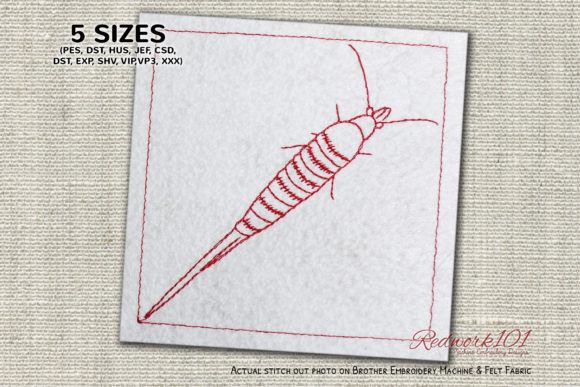
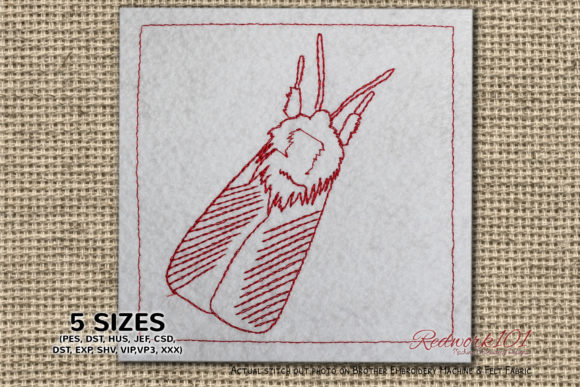
The product description notes "The Box Stitch shown in picture is optional." This is a valuable designer insight. In most cases, this outer box is a production marker, not part of the design itself. You can typically skip this color directly. However, always confirm this with the actual embroidery file you receive. If the box is purely a guideline, omitting it results in a cleaner, more focused final product—the Whitefly Bug itself.
Building Brand Identity with the Whitefly Bug Design
Beyond decoration, an embroidery design is a brand identity tool.
The Whitefly Bug, by its nature, introduces a specific thematic element. It can strengthen customer recognition if used consistently across your merchandise line—from aprons to patches to tote bags. For a business in the "Bugs" or nature-inspired category, it provides instant visual consistency. It communicates a handmade presentation, which builds trust with audiences valuing craftsmanship. Using it on premium merchandise (like well-made totes) elevates the entire product's feel, boosting buyer engagement.
However, for a brand seeking a broad, modern, or minimalist identity, the Whitefly Bug might be too niche and illustrative. It's best employed as an accent within a larger brand system or as the central motif for a theme-driven business.
Practical Designer Notes Before You Hoop the File
Before running this digital embroidery file on a commercial project, follow these steps.
- Test in Black and White First: Run a simple version to check the fundamental structure and outline clarity without color complexity.
- Check Thread Color Contrast: Review the palette against your actual fabric colors. Ensure the Whitefly Bug will stand out clearly.
- Inspect Spacing and Density: Look at the file in your software to ensure stitch spacing is appropriate for your target fabric.
- Test on Real Fabric: Hoop a sample of the exact material you'll use (apron cloth, bag fabric, uniform poly-cotton) and run a test patch.
- Compare Beside Other Design Assets: Place a mockup of the embroidered Whitefly Bug next to your other branding elements. Does it harmonize?
- Confirm Commercial Licensing: The product description does not specify license terms. You must verify that your intended use—for business merchandise and branded patches—is covered under the file's license before production.
- Advise on Missing Specifications: Details like exact stitch count, file format, and recommended hoop size are not provided here. Always obtain and review these technical specifications from the file source to ensure a smooth production workflow.
Final Thoughts for Merchandise Creators
The Whitefly Bug embroidery design is a versatile, characterful asset for the right business. Its value lies in its ability to transform a simple item—a plain tote, a standard apron, a product package—into a branded, handmade product with personality. By carefully considering its application, testing thoroughly, and integrating it thoughtfully into your brand's visual world, you can create merchandise that resonates with customers and strengthens your small business's unique story.