A Professional Design Review of Psocoptera Redwork
As an embroidery designer working with small businesses every day, my first task when reviewing a new file is to imagine it on real products. Psocoptera Redwork immediately presents a distinct and thematic character. The term “Redwork” suggests a classic, perhaps rustic or illustrative approach, while “Psocoptera” anchors it firmly in the Bugs category. This isn't a generic logo; it's a statement piece. For a boutique, café, or creative studio with a nature-focused, scientific, or simply quirky brand personality, this design offers a powerful starting point. It feels handmade, decorative, and intentionally artistic rather than purely corporate, which can be a significant advantage for businesses building authentic connections.
The Visual Personality for Brand Identity
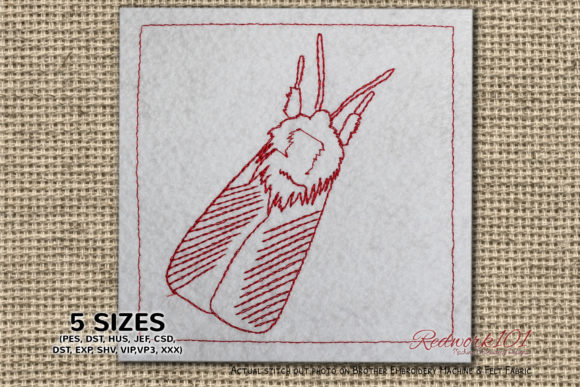
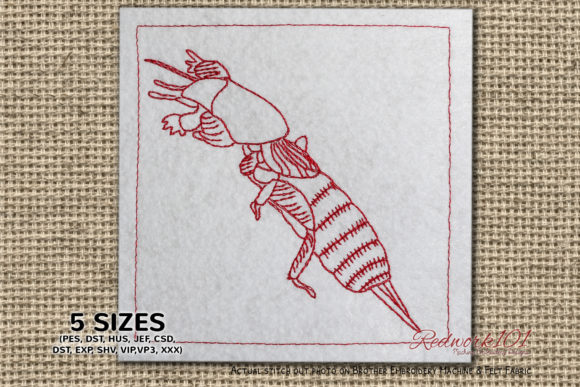
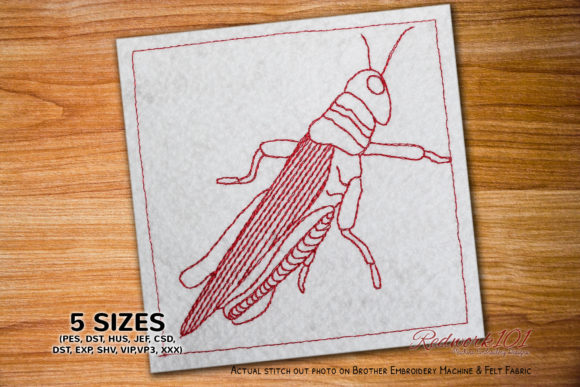
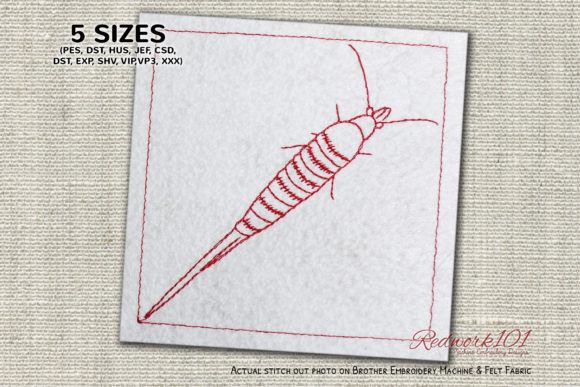
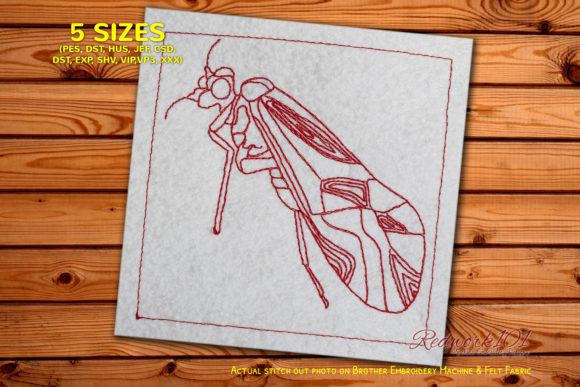
Before committing a design to expensive thread and fabric, we assess its visual voice. Psocoptera Redwork, by its title alone, implies a design built with a specific color palette—the redwork tradition often uses a single color or limited palette for a cohesive, classic look. This is excellent for visual consistency across various embroidered patches and apparel. The note that “The Box Stitch shown in picture is optional” and that the outer box color can be skipped is crucial. This means the core bug design is the hero, and the optional box provides a framing element. For a small business, this flexibility is gold. You can use the framed version for a more formal, badge-like patch on a uniform or apron, and the standalone bug for a more organic, integrated accent on a tote bag or product label.
Real-World Applications for Small Business Merch
Let’s translate this into practical business use. Imagine a local bakery called “The Hive,” a pet brand specializing in natural insect-based treats, or a florist with an interest in botanicals and pollinators. Psocoptera Redwork could become their emblem.
- Embroidered Patches: As a custom apparel accent, this design would excel as a chest or sleeve patch on staff uniforms. The optional box stitch creates a clean border, making the patch look finished and professional on work shirts or aprons.
- Cap Embroidery: On a cap front, the design’s detail needs evaluation. A high stitch density in a small area can become stiff. A test at small size is essential to ensure the bug’s definition remains clear.
- Tote Bag Design: For merchandise like tote bags, the standalone bug (without the box) would create a charming, repeated pattern or a singular focal point, enhancing the handmade product feel.
- Product Packaging & Labels: As a small embroidered accent on a boutique’s product packaging or as a branded patch sewn onto a garment bag, it elevates the item, signaling attention to detail and boosting product value.
Critical Considerations for Production Success
Every digital embroidery file requires practical testing before it becomes part of your commercial embroidery workflow. Here are my designer notes for using Psocoptera Redwork effectively.
- Test in Black and White First: Run the file on a simple cotton fabric in a single contrasting color. This reveals the true structure, stitch density, and any potential issues with tiny details or outlines.
- Check Small Patch Size Performance: If you intend to use it for a 1.5-inch patch on a cap or as a small label, hoop it at that size. Does the bug design remain recognizable? Does the optional box stitch become too dominant at a tiny scale?
- Review Thread Color Contrast: The description hints at color flexibility. Plan your thread colors carefully against your fabric. A dark bug on a dark uniform disappears. Always aim for high contrast for customer recognition.
- Test on Real Fabric: Don’t rely on the printable mockup alone. Hoop the actual fabric you’ll use for uniforms (poly-cotton twill) or tote bags (canvas). Use the proper stabilizer for that fabric texture.
- Create a Mockup for Client Approval: Before producing fifty staff aprons, provide your business client with a visual mockup showing Psocoptera Redwork on the intended item. This confirms alignment with their brand identity.
- Confirm Commercial Licensing: The product description doesn’t specify license terms. It is your responsibility to verify that the embroidery file purchase includes the right to use it for small business merch and commercial embroidery projects.
Where to Use Psocoptera Redwork with Care
Some applications demand extra attention. This design, likely with detailed outlines and a defined subject, should be used carefully in certain scenarios.
- Very Small Patch Sizes: On items like petite product tags, excessive detail can become a blurred knot. Simplify if necessary.
- Curved Surfaces like Caps: High stitch density on a curved cap front can lead to puckering or a stiff, uncomfortable finish. Adjust stitch density or use a lighter fill if possible.
- Items for Frequent Washing: For staff uniforms or aprons washed daily, a design with many small, tight stitches can hold up well, but ensure your stitch parameters are optimized for durability.
- Dark Uniforms: If the default design uses lighter threads, you may need to invert the color scheme for a dark polo shirt to maintain visibility and professionalism.
Impact on Brand Trust and Customer Engagement
Finally, we must consider the intangible value. An embroidered design isn’t just decoration; it’s a brand identity tool. Psocoptera Redwork, with its niche and artistic appeal, tells a story. It signals a brand that values specificity, nature, or a touch of the unconventional. This builds customer trust through authenticity. On a staff apron in a café, it creates a memorable, playful yet elegant touch that customers associate with the experience. On a craft business’s tote bag sold on Etsy, it acts as a walking advertisement, enhancing buyer engagement. It moves the brand from generic to curated.
In conclusion, Psocoptera Redwork is a thematic and flexible embroidery design. Its optional box stitch and implied color focus make it adaptable. For the right business—one looking to convey a handmade, nature-inspired, or thoughtfully quirky personality—it can be a cornerstone design asset for patches, uniforms, and merchandise. The professional step is always the rigorous pre-production test: hoop it, stitch it, and see it on the real finished product. That process transforms a digital file into a valuable brand asset.