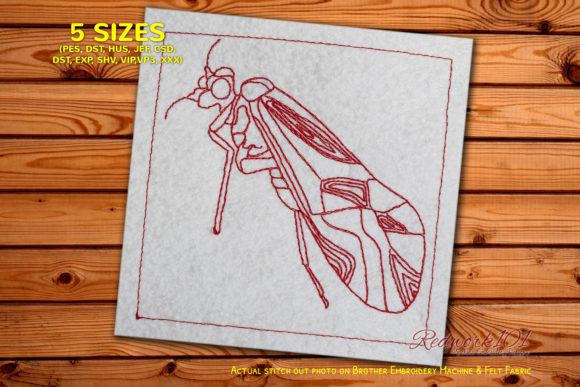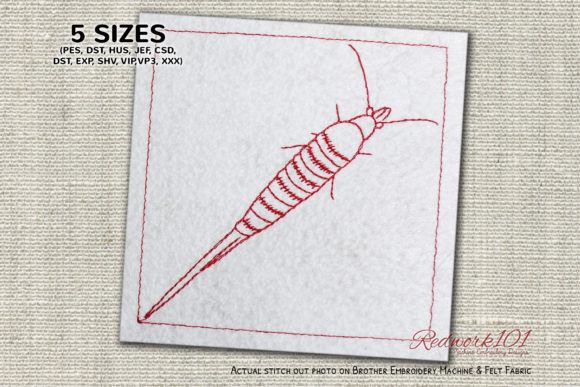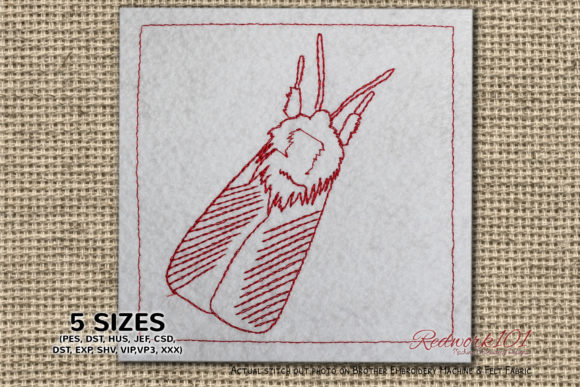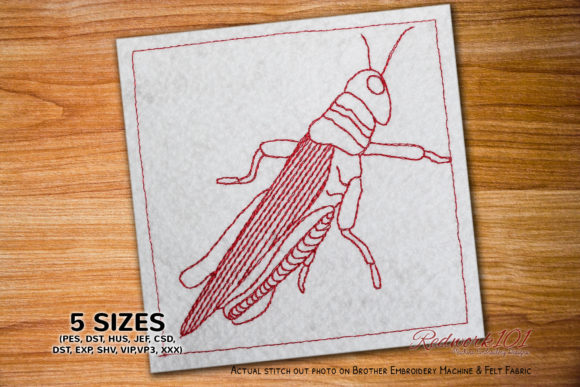
Mole Cricket Redwork: A Design Review for Real Projects
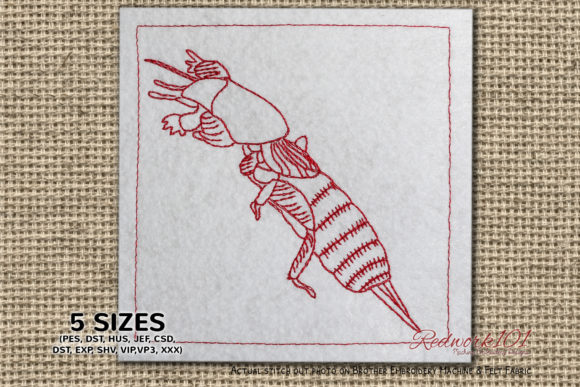
Let’s get straight to the point. When I look at the Mole Cricket Redwork design, I’m not just looking at a cute bug. I’m assessing a tool. I’m asking myself: how will this file perform when it’s actually humming away on my embroidery machine, destined for a real customer’s hands? The first impression is key. This design, with its clean lines and a likely focus on a single-color run—redwork suggests that—immediately feels illustrative and vintage-inspired. It’s not a hyper-realistic bug; it’s a character. That gives it a certain personality.
The Immediate Mood & Where It Naturally Belongs
The mood here is quirky, nostalgic, and scientific-charming. It sits somewhere between a naturalist’s sketch and a playful illustration. This visual personality tells me it’s perfect for projects where you want a touch of whimsy without being overly cartoonish. I’m instantly thinking of a custom embroidered tote bag for a gardener, a unique patch on a child’s denim jacket, or a standout motif on a linen apron. It feels like it belongs on natural fabrics—cotton, linen—and on items that have a handmade, personal story.
Performance in Real-Life Embroidery Situations
Let’s walk through a scenario. Say I’m preparing a custom sweatshirt for a boutique client who loves unusual insects. The Mole Cricket design, with its presumably clean outlines, should stitch out cleanly on a mid-weight cotton sweatshirt. The detail level looks manageable; I’m not expecting microscopic, dense fill areas that might puckering on thicker knits. This is a plus. For a personalized gift like a baby blanket or nursery pillow cover, this design offers a gentler, more artistic take on a bug theme, which can be more appealing than a literal photograph.
For commercial embroidery projects, like a line of embroidered patches for an Etsy shop, this design has strong potential. Its illustrative nature makes it a recognizable, standalone brand asset. It stitches quickly if it’s true redwork (minimal color changes), increasing production efficiency. On a tote bag or tea towel sold at a craft fair, it adds value through its unique subject matter—it’s not another generic flower or butterfly.
Where Caution is Needed
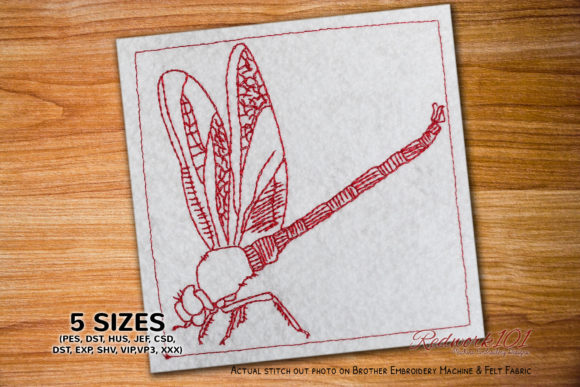
Any experienced designer knows that even a great file has limitations. The note about the outer box stitch being optional is crucial. That built-in frame could be a blessing or a curse depending on the application. On a curved surface like a cap, that box might distort. On a delicate fabric like a thin linen handkerchief, the extra stitch density of a box border could create unwanted stiffness. I would almost always skip the box for a more integrated, soft look on apparel.
Small hoop sizes might be tricky if the design has very fine, close lines; you need to ensure clarity isn’t lost when miniaturized. On dark fabric backgrounds, the single-color scheme (likely a red or similar) needs excellent contrast—test that thread color on a scrap first. Textured or stretchy fabrics require careful stabilizer choice to keep those illustrative lines crisp. And for products destined for frequent washing, like kitchen towels or baby items, the stitch density needs to be secure but not so dense it creates a harsh, abrasive surface.
How It Affects Your Business & Your Customer
This design impacts more than just the stitching. For a craft business owner, using a design like Mole Cricket Redwork builds a specific brand aesthetic. It attracts customers who appreciate niche, natural themes. The finished product feels thoughtfully curated, not mass-produced. That builds customer trust and engagement.
For giftability, it’s excellent. A pillow cover with this design is a conversation piece. It feels professional and well-designed, elevating a handmade gift. In a digital product preview or printable mockup for your shop, the clear, illustrative style presents well, making it an attractive digital embroidery file for other makers to purchase.
Practical Designer Notes Before You Hoop Up
Here’s my standard checklist before I run any new design, and it applies squarely to Mole Cricket Redwork:
- Always, always test on scrap fabric of the same type you plan to use. See how those lines look.
- Check thread color contrast against your final fabric—light and dark backgrounds react differently.
- Review the stitch density in your software preview. Are areas overly dense or potentially loose?
- Confirm the effective hoop size needed for clarity. Don’t force it into a tiny hoop if details will blur.
- Inspect small details, like antennae or leg joints. Will they stitch cleanly or need adjustment?
- Run a black and white mockup to see the pure structure without color influence.
- Use the proper stabilizer for your fabric. This is non-negotiable for clean results.
- Critically, check the licensing terms for this design. Is it for personal use, or can you use it for commercial embroidery on items you sell? Never assume.
The note that “the color of outer Box is different color in most of the designs unless it is part of the design itself” is a practical heads-up. It means the design file is likely structured for flexibility. You can skip that color channel directly and stitch just the cricket if that suits your embroidery project better. This flexibility is a valuable feature for adapting the design to different products.
Final Judgment for Makers
Mole Cricket Redwork is a design with character. It’s not for every project, but for the right project—a custom apparel item for a nature lover, a unique patch, a boutique kitchen towel—it can be a standout. Its illustrative, likely low-color-count approach makes it efficient and clear. The optional box gives you creative control. Your job as the maker is to match it with the right fabric, the right product, and the right customer. When you do, it will stitch out a story, not just a bug, and that’s what turns a good machine embroidery design into a great finished product.