A Professional Review of Boy Holding Pichkari Redwork
As an embroidery designer preparing for a weekend craft fair, every design in my catalog gets a critical review. My focus is on what sells in person, what looks beautiful on a finished product, and what is practical to produce in batches for a busy market booth. Today, I’m evaluating Boy Holding Pichkari Redwork. This embroidery design, with its cultural resonance and classic redwork style, presents a unique opportunity for handmade market products.
The First Impression: Festive, Decorative, and Story-Rich
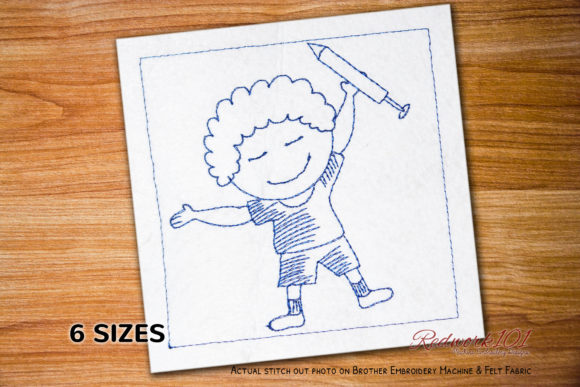
At a glance, Boy Holding Pichkari Redwork feels instantly festive and decorative. The title alone evokes a specific, joyful cultural moment. This isn’t a generic cute design; it tells a small story. In a bustling craft fair booth, that narrative quality can be a powerful hook. Customers looking for unique, culturally-inspired pieces will notice it. The redwork style—typically a single color outline—gives it a classic, handmade aesthetic that feels premium and artisanal, not mass-produced. It straddles a lovely line between being decorative enough for home goods and personal enough for wearable items.
Where This Design Stands Out on the Booth Table
Imagine my display: a mix of embroidered tote bags, aprons, tea towels, caps, and pillow covers. Boy Holding Pichkari Redwork would find its strongest footing on a few key products.
- Tote Bags & Market Bags: This design works beautifully as a large focal point on a solid-color tote bag. Its story-rich nature makes the bag feel like a special, conversation-starting accessory rather than just a utility item.
- Pillow Covers: As a decorative element on a pillow, it adds a festive, cultural touch to home décor. The single-color design integrates elegantly with various fabric colors.
- Tea Towels & Aprons: For kitchen textiles, the design offers a charming, thematic accent. It feels more special than a simple fruit or flower motif, potentially increasing perceived value.
- Embroidered Patches & Pouches: As a smaller accent on a fabric pouch or as a standalone patch, it becomes a detailed, collectible item. This is excellent for attracting customers interested in smaller, giftable handmade items.
The optional box stitch mentioned in the description is a key consideration. For most applications, especially on products like bags or towels, skipping the outer box color as advised keeps the focus purely on the charming boy figure, making the embroidery cleaner and faster to produce.
Practical Production for the Busy Crafter
Turning a digital embroidery file into a sellable craft fair product requires practical thinking. For Boy Holding Pichkari Redwork, several points affect batch production.
- Stitch Density & Detail: Redwork designs are often outline-based, which can mean less dense stitch areas and faster machine run times. However, I always advise checking the specific file for tiny details or small lettering that might lose clarity on textured fabrics like towels or on curved surfaces like caps.
- Scale & Impact: This design likely works well at a medium to large scale as a focal point. Testing it at a smaller size for patches is crucial to ensure the charming details of the “pichkari” and the boy’s expression remain clear.
- Photography & Online Sales: For Etsy sellers and digital mockups, this design photographs well. The single-color (likely red) contrast pops against light fabrics, making online listings eye-catching. Creating a real physical mockup on your target product—like a tea towel—is essential to judge true thread contrast and final appearance.
- Batch Production & Consistency: The straightforward color palette (especially if skipping the optional box) makes this design highly repeatable. Consistent results across multiple tote bags or pillow covers are easier to achieve, strengthening your brand’s quality presentation at the fair.
Critical Designer Notes Before You Stitch
Before loading the embroidery file and starting production for your handmade products, a few professional steps are non-negotiable.
- Test on Scrap Fabric: Always stitch the design on a scrap of the actual fabric you’ll use—whether canvas for bags, linen for towels, or cotton for aprons. Check for puckering and adjust stabilizer use accordingly.
- Confirm Hoop Size & Placement: The ideal hoop size ensures the design fits your product area perfectly. Misplacement on a cap or bag can ruin the final product’s balance.
- Review Thread Contrast: On dark fabric backgrounds, a single red outline might not pop. Consider thread color adjustments or strategically choose lighter-colored products for this design.
- Check Commercial Licensing: As a small shop owner selling finished products, always verify the commercial use terms of the digital embroidery file. This is a fundamental step before any craft fair production begins.
Turning Design Potential into Booth Success
Boy Holding Pichkari Redwork has the visual appeal to draw customer attention in a crowded market. Its unique theme creates an emotional connection, which can drive buyer engagement and increase perceived product value. When embroidered neatly on high-quality goods, it showcases handmade quality beautifully.
For your booth display strength, consider creating one standout item—like a large tote bag with this design prominently featured. This serves as both a sales sample and a visual anchor for your table. The design’s decorative, festive mood can help curate a specific section of your booth for cultural or thematic gifts, making your overall display more organized and professional.
In summary, Boy Holding Pichkari Redwork is a design with strong character. It’s not a one-size-fits-all motif, but on the right products—totes, pillows, kitchen textiles—it transforms a simple item into a story-rich, premium handmade gift. With careful production testing and a focus on products where its details shine, this embroidery file can become a valuable asset for any craft fair seller, Etsy seller, or boutique maker looking to offer something distinctive and charming.