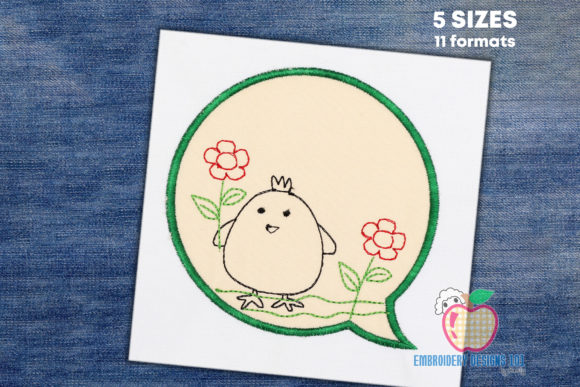
Chick Holding a Flower Embroidery for Business Branding
As a professional embroidery designer, my first task with any new design file is to evaluate its potential for real-world business use. When I look at Chick Holding a Flower, my immediate impression is of a playful, friendly, and handmade aesthetic. This isn't a stark, corporate logo; it's a character-driven design that communicates warmth and approachability. For a small business, that visual personality can be a powerful tool.
Visual Personality and Brand Identity Alignment
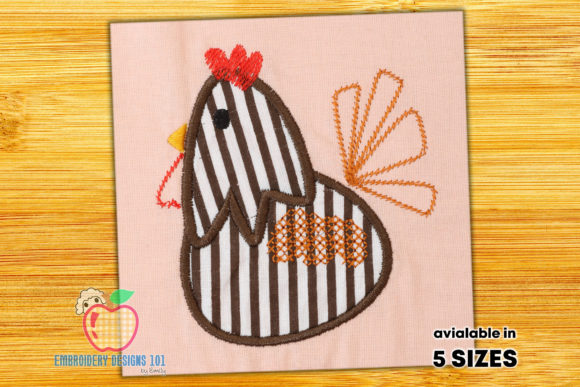
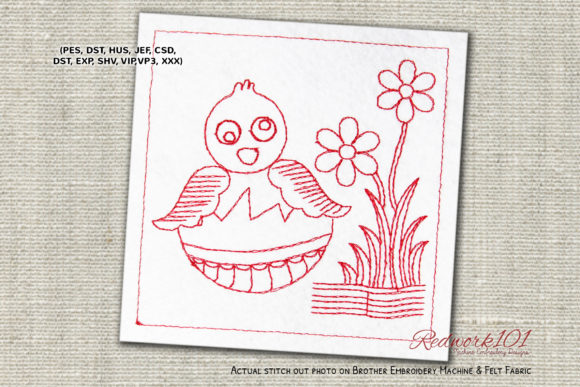
The core appeal of Chick Holding a Flower lies in its simplicity and charm. The applique pattern mentioned in the description suggests areas of solid fabric combined with stitching, which can create a lovely textured, premium feel on finished products. This design naturally aligns with brands that want to feel rustic, handmade, or connected to nature. Think of a small café with a garden patio, a boutique selling natural children's clothing, a creative studio with a whimsical brand, a bakery, a florist, or a local pet brand. Embroidered onto merchandise, this design instantly adds a layer of storytelling and emotional connection.
For customer trust and recognition, consistency is key. Using Chick Holding a Flower across various small business merch items—like staff aprons, tote bags for sale, or event giveaway caps—builds a cohesive visual identity. Customers begin to associate that cute, cheerful character with your business values. It elevates a simple product into a branded product add-on, increasing its perceived value and strengthening buyer engagement.
Practical Performance in Commercial Embroidery Projects
Moving from theory to practice, a design's technical execution determines its success. The description notes it's a simple design and comes with multiple embroidery file formats. This is crucial for production. Different machines require different files, and having multiple formats means you, or your embroidery shop, can proceed without conversion headaches.
Optimal Applications for Business Merchandise
This design excels in specific custom apparel and merchandise contexts:
- Embroidered Patches: As a standalone patch, it's perfect for tote bags, backpacks, or as a sleeve detail on work shirts. The applique technique can make the patch robust and color-rich.
- Apron Embroidery: A chest or pocket placement on a bakery or café apron would look professional and charming.
- Cap Embroidery: On the front of a cap, its compact, simple shape should stitch cleanly without excessive stitch density that can make caps stiff.
- Product Packaging Accents: For a handmade shop, embroidering this onto small fabric tags or labels adds a beautiful, tactile quality.
- Tote Bag Design: As a central mark on a promotional or retail tote bag, it creates a recognizable branded merchandise item.
Where to Use with Careful Planning
Even a simple design has limits. Here’s where I advise caution:
- Very Small Patch Sizes: If you need a tiny patch (under 1.5 inches), test it first. Fine details like the flower stem or chick's features might need simplification.
- Dark Uniforms or Fabrics: The color palette matters. On dark fabrics, you may need to adjust thread colors for the applique areas to ensure the chick and flower remain bright and visible.
- Items for Frequent Washing: For staff uniforms or aprons washed daily, a robust stitch construction is vital. The description calls it simple, which often means fewer stitches and good durability.
- Curved Surfaces: On highly curved areas like certain cap fronts, test the design file to ensure no distortion occurs.
A Designer's Pre-Production Checklist
Before running this machine embroidery design on a commercial order, I follow a strict review process. I recommend all small business owners and digital embroidery file buyers do the same.
- Test in Black and White First: Stitch out a sample in monochrome or on scrap fabric. This reveals the underlying structure without color distracting you.
- Check Performance at Small Size: If you intend to use it for a small cap design or product label, hoop it at that reduced size and stitch it. Assess clarity.
- Review Thread Color Contrast: Choose thread colors that work on your target fabric. For a professional look, ensure the chick, flower, and any outlines have clear contrast.
- Test on Real Fabric: Don't just test on plain cotton. Use a sample of the actual fabric texture you'll run it on—the denim of a cap, the canvas of a tote, the twill of an apron.
- Use Proper Stabilizer: The right stabilizer is non-negotiable for clean results on any garment or merchandise item.
- Create a Printable Mockup for Client Approval: If you're an embroidery shop creating for a client, place the design on a printable mockup of a shirt, bag, or cap. This visual helps finalize placement and size.
- Confirm Commercial Licensing: The description doesn't specify license terms. Always verify that your intended use—selling embroidered merchandise—is covered under the file's license before production.
- Compare Beside Other Design Assets: If Chick Holding a Flower is part of a larger brand suite (other Farm Animals designs, for example), stitch samples together to ensure visual harmony.
Final Thoughts on Business Value
Chick Holding a Flower is more than a cute Embroidery pattern. It's a versatile design asset that can infuse a brand with personality and create tangible, high-quality merchandise. Its described simplicity is its strength for business: faster production times, lower thread consumption, and excellent durability on items that see daily use. For the small business owner, Etsy seller, or merch creator, it offers a path to branded products that feel special and handmade, directly enhancing customer perception and loyalty. Always start with a test stitch, plan your applications, and this charming design can become a steadfast part of your commercial embroidery success.