New Year Celebration with Scarecrow Review
First Impression From the Design Table
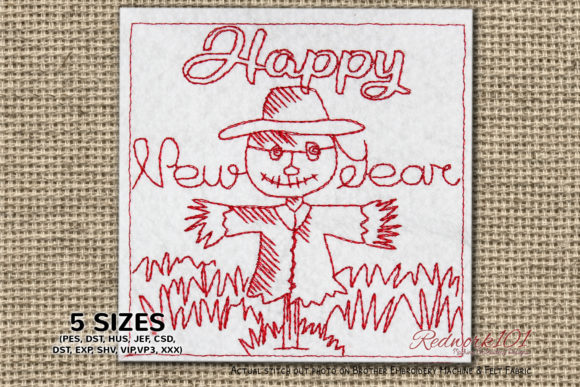
When I first pulled up New Year Celebration with Scarecrow on my screen, I paused. There is something unexpectedly charming about a scarecrow standing in a field for a New Year theme. It is not the typical glittery clock or champagne glass you see everywhere. This design leans into a rustic, farmhouse storytelling mood. The scarecrow in the field gives it a cozy, almost nostalgic feel that I can immediately picture on a tea towel hanging near a farmhouse sink or on a tote bag carried to a winter market.
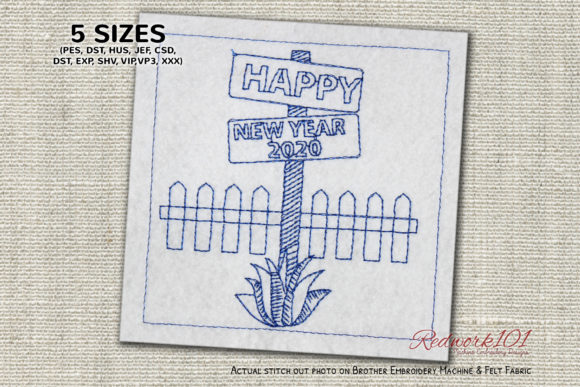
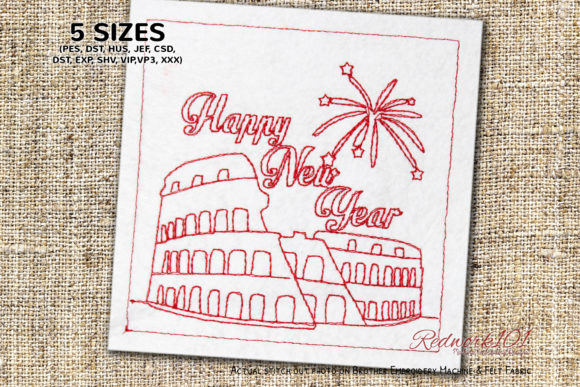
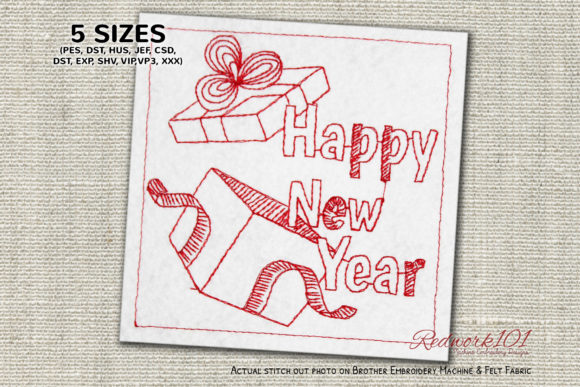
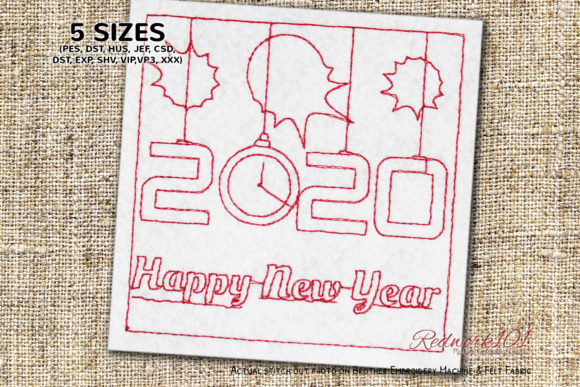
The description mentions the Box Stitch shown in the picture is optional, and that the outer box color differs across most designs unless it is part of the design itself. That is actually a useful detail. It means I can decide whether to frame the scene with a stitched border or let the artwork stand alone. For some products, a box frame adds a polished, finished look. For others, removing it gives a softer, more organic edge. Having that choice adds flexibility when planning a product line for a craft fair booth.
The category is Backgrounds, which makes sense. The field setting creates a complete scene rather than just a floating object. This is a design that feels like a small illustration, not just a decorative motif. That matters because illustrated-style embroidery designs tend to catch the eye of buyers who want something that looks like art, not just a generic seasonal symbol.
Where This Design Shines at a Craft Fair
I have been doing craft fairs long enough to know that certain designs pull people across the aisle. New Year Celebration with Scarecrow has that potential because it is unexpected. Most New Year products are loud, sparkly, and urban. This one is quiet, rural, and warm. It stands out precisely because it does not scream "New Year" in the obvious way. A customer walking by might stop, tilt their head, and say, "Oh, that is different." That moment of curiosity is what leads to a sale.
For a booth display, I would place this design on a neutral-toned fabric, something like natural linen or oatmeal cotton, and let the thread colors do the work. The contrast between the scarecrow figure and the field background creates a focal point that reads clearly from a few feet away. That is important because at a busy craft fair, you have about three seconds to grab attention before someone moves to the next table.
Tote Bags and Market Bags
Tote bags are my go-to for scenic designs like this. A standard canvas tote gives enough flat surface area for the field scene to breathe. The scarecrow detail, the field lines, and any subtle background elements can all render clearly without crowding. I would test this as a centered front placement, roughly seven to eight inches wide, on a natural or cream tote. The box stitch, if used, would frame it nicely and give the bag a structured, premium look. Without the box, the design feels softer and more casual, which works well for everyday market bags.
One thing I would check carefully is how the design reads on textured or slubby canvas. Field backgrounds with fine details can lose definition if the fabric weave is too rough. A mid-weight, smooth canvas is ideal here. If you are selling totes as giftable items, adding a small coordinating pouch with a scaled-down version of the same design creates a nice bundled set.
Aprons and Kitchen Towels
This is where New Year Celebration with Scarecrow really feels at home. A kitchen towel embroidered with this design becomes a seasonal accent without being overly festive. The scarecrow in a field gives off harvest-to-winter transitional energy, which means it does not feel out of place in January. I would stitch this on a flour sack towel or a flat-weave cotton towel, avoiding anything with heavy texture or deep waffle weave that could distort the field details.
For aprons, a bib-style apron in a solid color like charcoal, olive, or natural linen works beautifully. Placing the design on the upper bib area keeps it visible and protected from the high-wear waist zone. The optional box stitch looks especially nice on an apron because it mimics a framed print. Just be mindful of stitch density in the field area. If the background has dense fill, pairing it with a sturdy cutaway stabilizer is essential to prevent puckering on apron-weight fabric.
Caps and Patches
Caps are trickier for scenic designs. The curved surface of a baseball cap can distort horizontal field lines and make the scarecrow look warped if not digitized specifically for caps. I would only attempt this design on a cap if the hoop size and placement are tested thoroughly. A structured, five-panel or six-panel cap with a flat front panel gives the best chance of success. Stick to the center front placement and keep the sizing moderate, around two and a half to three inches wide, to avoid sewing into the curved seams.
For patches, the design works well if scaled down thoughtfully. The scarecrow needs to remain recognizable at a smaller size. I would test a patch version at around three inches and check whether the facial details and field lines hold up. If the design includes small lettering or tiny background elements, those may need to be simplified or removed for patch use. A merrowed edge patch with the box stitch included in the embroidery file gives a clean, professional finish that sells well at craft fairs and online.
Pillow Covers and Home Decor
A linen pillow cover with this design stitched in muted, earthy thread colors would fit right into a farmhouse or cottage-style home. I would go larger on pillow covers, at least six to eight inches wide, to let the field scene become a true focal point. The box stitch frame adds a decorative border that makes the pillow look intentionally designed rather than just embroidered.
One display idea for a craft fair booth is to tuck a pillow with this design into a cozy corner setup with a throw blanket and a few other handmade items. It creates a lifestyle vignette that helps buyers imagine the product in their own home. That emotional connection is what moves a browser to a buyer.
How It Photographs for Online Listings
For Etsy sellers and small shop owners, good photos are everything. New Year Celebration with Scarecrow photographs well because the scene has depth. The scarecrow in the foreground against the field background creates natural layers that catch light and shadow differently. I recommend photographing finished products in natural window light on a simple, uncluttered surface. A tote bag shot flat with some dried wheat or a simple linen cloth nearby reinforces the farmhouse aesthetic without distracting from the embroidery itself.
If you are selling the digital embroidery file, a clean mockup showing the stitched design on a hooped fabric is essential. The optional box stitch should be shown both ways if possible, so buyers can see the difference. A printable mockup that shows the design on multiple product surfaces helps digital sellers communicate value quickly.
Practical Stitching and Production Notes
Before I commit any design to batch production for a craft fair, I run a full test on scrap fabric. Here is what I would check with this design:
- Thread colors: The scarecrow, the field, and any sky or background elements need enough contrast to read clearly. If the scarecrow's clothing blends into the field, the design loses impact. I would test two or three thread color combinations before settling on the final palette.
- Stitch density: Field backgrounds can become dense quickly. If the background has heavy fill stitching, the fabric may feel stiff or show puckering. A medium density with a good underlay works best. I would watch for any areas where stitches pile up, especially around the scarecrow outline where it meets the field.
- Small details: If the scarecrow has a stitched face, hat details, or tiny field elements, I need to confirm those read clearly at the intended size. Details that look fine on screen may blur or close up when stitched on fabric, especially on textured towels or dark materials.
- Stabilizer choice: For tote bags and aprons, a cutaway stabilizer provides lasting support. For towels, a wash-away topping prevents stitches from sinking into the fabric nap. For caps, a heavy cap stabilizer and proper hooping technique are non-negotiable.
- Hoop size: I need to confirm the design fits comfortably within my most-used hoop sizes. If it requires a larger hoop than I typically run, that affects production speed and cost.
Booth Display and Buyer Engagement
At a weekend craft fair, New Year Celebration with Scarecrow gives me a conversation starter. Customers will ask about it because it is not what they expect for a New Year theme. I can tell the story behind the design, talk about the craftsmanship, and connect it to the farmhouse or rustic decor trend that remains popular. That personal interaction builds trust and increases the likelihood of a sale.
I would place one hero product, perhaps a large tote or a pillow cover, at eye level on the display table, surrounded by smaller items like patches, pouches, and tea towels. Grouping products with the same design creates a cohesive collection feel that encourages multiple purchases. A customer who loves the scarecrow on a tea towel might also pick up a matching patch or a small pouch.
Designer Cautions and Final Checks
Before producing finished products for sale, I always run through a mental checklist. For this design, my main cautions are about dense stitch areas in the field background and any tiny details that may not survive scaling down. I would also check the design on dark fabric. The description does not specify, but if the field background relies on light thread colors, a dark fabric like navy or black might swallow the contrast. Testing on both light and medium-toned fabrics is a smart move.
The box stitch being optional is a helpful feature, but I need to confirm how the design file handles that. If the box is a separate element in the embroidery file, I can simply skip that color stop. If it is integrated, I may need to work with the file as-is. I would also confirm commercial licensing terms before selling any finished products with this design, especially if I plan to list them on Etsy or sell wholesale to boutiques.
For digital sellers offering the embroidery file itself, including clear notes about the optional box stitch and the color variations in the outer box is important. Buyers appreciate knowing what to expect before they download and stitch.
Final Verdict for Craft Fair Season
New Year Celebration with Scarecrow is a solid addition to a handmade product line for sellers who lean into farmhouse, rustic, or cozy seasonal aesthetics. It is not a mass-market, generic New Year design, and that is precisely its strength. On tote bags, tea towels, aprons, and pillow covers, it offers something different that catches the eye and starts conversations. The optional box stitch adds versatility, and the field setting gives the design a complete, illustrated feel that looks professional and intentional.
For embroidery business owners preparing for a winter craft fair, this design deserves a spot in the product lineup. Test it thoroughly, choose your fabrics and thread colors with care, and display it proudly. It is the kind of design that makes a booth feel curated, thoughtful, and worth stopping for.