2020 Snowman Bluework: A Designer’s Craft Fair Review
When I first opened the 2020 Snowman Bluework embroidery file, I immediately saw a design that belongs in a cozy winter craft fair booth. The bluework technique gives it a timeless, almost heirloom quality that stands out from typical multicolored holiday motifs. As someone who has spent years turning machine embroidery designs into handmade products that sell, I knew this snowman had potential—but I also knew I needed to test how it would translate across the products that actually move at weekend markets.
First Impressions of the Bluework Snowman
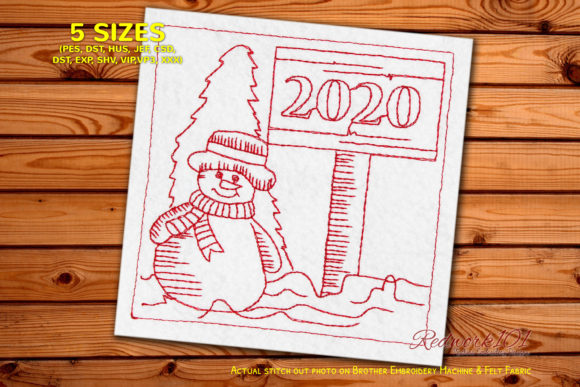
Bluework is a classic embroidery style, and 2020 Snowman Bluework leans into that tradition with a clean, charming snowman figure. The optional box stitch mentioned in the description adds a decorative frame, but the ability to skip the outer box color entirely is a smart design choice. That flexibility means I can offer two versions in my booth: one with a bordered, finished look on a tea towel, and another without the box, letting the snowman float freely on a tote bag. The monochromatic blue thread on a natural fabric gives a rustic, farmhouse feel that appeals to shoppers looking for Winter decor that isn’t overly flashy. It’s cute without being childish, and elegant enough to fit a modern kitchen or a boutique handmade product.
From a purely visual standpoint, the design reads clearly at a table distance. That’s crucial for a craft fair setup where customers are scanning quickly. A snowman is universally recognized, and the bluework style makes it feel like a deliberate, premium choice rather than a generic holiday embroidery.
Product Ideas That Sell at Handmade Markets
I always evaluate a machine embroidery design by imagining how it will look on the specific items that pay the booth fee. For 2020 Snowman Bluework, here are my top picks for finished products that move fast:
- Tea Towel Embroidery: This is the natural home for bluework. A flour sack cotton towel with this snowman stitched in a deep navy or periwinkle thread looks like a high-end kitchen gift. I’d pair it with a wooden spoon and sell it as a set.
- Tote Bag Design: A medium placement on a canvas tote turns it into a reusable shopping bag that feels seasonal but not disposable. The snowman without the box stitch works beautifully here, letting the design breathe.
- Apron Embroidery: A corner placement on a bib apron or a center chest motif on a waist apron creates a boutique product that sells to home bakers and holiday hosts.
- Pillow Covers: A 12x20 or 16x16 inch cover with the snowman centered and the optional box stitch framing it turns into a cozy Winter decor piece. Customers love items they can display immediately.
- Small Pouches and Makeup Bags: A zippered pouch with the design stitched on the front is an easy, low-cost product that makes a great stocking stuffer. I’d use a light linen or cotton to keep the bluework crisp.
- Embroidered Patch: While the design might be a bit detailed for a tiny patch, if sized down carefully, it could work as a sew-on or iron-on patch for jackets or backpacks. I’d test stitch density first.
For Etsy sellers and digital product creators, this design also works as a digital embroidery file to sell as part of a Winter collection. The optional box stitch is a selling point you can highlight in your listing—customers appreciate versatility.
Practical Production Notes for Embroidery Sellers
Before I add any design to my production lineup, I run through a checklist. Here’s how 2020 Snowman Bluework holds up from a production standpoint:
Stitch Density and Detail: Bluework designs often rely on dense satin stitches or long and short stitches to create texture. I’d inspect the stitch density closely. If the snowman has tiny details like carrot noses or button eyes, those areas might be dense and could cause puckering on thin fabrics. I always test on scrap fabric first, using a similar weight to my final product. A medium-weight cotton or linen works best for this design; avoid overly textured towels where small stitches might sink and lose definition.
Hoop Size and Placement: The description doesn’t specify a hoop size, so I’d check the file dimensions before buying. I need to know if it fits my largest standard hoop or if I’ll need a multi-position hooping for certain products. For a craft fair, I prefer designs that fit a 4x4 or 5x7 hoop without needing repositioning, because that slows down batch production. The optional box stitch might slightly increase the overall size, so I’d measure both versions.
Thread Colors and Contrast: The beauty of bluework is its simplicity, but the thread color choice is critical. On a white or cream fabric, a deep indigo or slate blue looks stunning. If I’m stitching on a darker fabric, I might need to switch to a lighter blue or even a white thread to maintain contrast—at that point, it’s no longer a true bluework, but the design still works. I’d recommend testing on a few fabric swatches before committing to a batch. The box stitch color, if used, can be the same blue or a complementary shade, but the ability to skip it entirely means you can keep the design minimal.
Stabilizer and Fabric Texture: For towels and linens, I use a cutaway stabilizer to prevent distortion. On tote bags, a tear-away works well if the stitch density isn’t too high. I’d never skip stabilizer with a design that has long satin stitches; otherwise, the snowman could warp after washing. The fabric texture matters too—a smooth linen will show stitch definition better than a slubby cotton, but a bit of texture can add to the handmade charm for a rustic market audience.
Photographing and Listing the Design
Online presence matters even for craft fair sellers, because customers often browse your social media before the event. 2020 Snowman Bluework photographs beautifully. The monochromatic blue on a neutral background creates a clean, high-contrast image that pops in a thumbnail. I’d create a printable mockup using the design on a folded towel and a flat lay on a wooden table. For Etsy sellers, a listing that shows the design with and without the box stitch gives the buyer confidence that they can customize it. I’d also include a close-up of the stitch detail to prove the quality.
When writing the product description, I’d emphasize the Winter theme, the handcrafted feel, and the fact that it’s a ready-to-stitch embroidery file that works on multiple products. The optional box stitch is a key feature to highlight—it’s not just a design, it’s two design looks in one purchase.
Careful-Use Notes for Optimal Results
Every design has quirks, and 2020 Snowman Bluework is no exception. Here’s where I’d exercise caution:
- Dense Stitch Areas: If the snowman’s body or face has layered stitching, it can feel stiff on thin fabrics. I’d reduce density slightly in my software if possible, or stick to heavier substrates.
- Tiny Details: Small lettering (if any) or fine lines can lose clarity at smaller sizes. I wouldn’t scale this design down too much for a patch or a cap; it’s best kept at the intended size or slightly larger.
- Curved Cap Surfaces: Stitching a snowman on a baseball cap is tricky because of the seam. I’d probably avoid using this on caps unless I’m doing a flat placement on the front panel and the design is small enough to fit without distortion.
- Dark Fabric: Bluework disappears on dark colors. If I want to use a navy tote, I’d have to invert the thread colors or use a white outline, which changes the aesthetic. I’d stick to light or medium fabrics for the classic look.
- Textured Towels: A heavily textured waffle weave or terry cloth can eat up fine details. I’d test a sample before committing to a dozen tea towels, and I’d use a water-soluble topping to keep the stitches from sinking in.
These aren’t dealbreakers; they’re just the realities of turning a digital embroidery file into a finished product that looks professional. I always keep a test sample at my booth so customers can see and feel the stitch quality.
Final Craft Fair Booth Tips
When I set up my table, I want designs that tell a story and pull customers in. 2020 Snowman Bluework does that. I’d group it with other bluework or Winter designs to create a cohesive collection. A stack of embroidered tea towels tied with twine, a row of tote bags hanging on hooks, and a pillow cover displayed on a chair would all feature this snowman. The blue thread ties the products together visually, making my booth look curated and intentional.
For small shop product owners and commercial embroidery makers, the key to success with this design is consistency. Once I’ve tested and confirmed the stabilizer, thread, and fabric combination, I can batch produce quickly. The optional box stitch means I can offer two variations without doubling my design file count. That’s a efficiency win when you’re prepping for a busy market weekend.
If you’re considering adding 2020 Snowman Bluework to your lineup, my advice is to do a thorough test run. Check the hoop size, stitch density, and thread contrast on your chosen fabric. Create at least one real mockup—not just a digital preview—and photograph it in natural light. That sample will be your best sales tool, both online and in person. And always confirm that your commercial licensing covers the number of finished products you plan to sell, especially if you’re selling file packs or physical items across multiple platforms.
This snowman has the charm and versatility to become a repeat seller. It’s a design that feels handmade, but with the precision of a well-digitized machine embroidery design. For craft fair sellers, that’s exactly the balance we need.