A Review of Applique Crab: Craft Fair & Market Potential
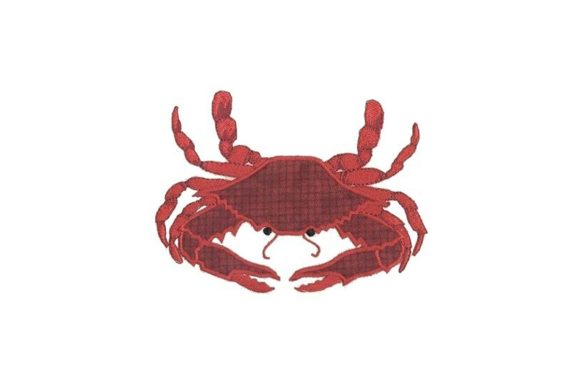
As an embroidery designer preparing for a weekend craft fair, my first task is to evaluate which designs will translate into products that not only look great but actually sell. When reviewing the Applique Crab design for this purpose, my immediate impression is one of playful, joyful charm. This isn't a formal or minimalist design; it’s cute, approachable, and carries a lighthearted feel that can brighten up any fabric it’s applied to. For sellers targeting handmade markets, this mood is a significant starting point.
Where Applique Crab Stands Out on the Booth Table
Imagine your display: tote bags, aprons, tea towels, caps, and small pouches arranged to catch the eye. Applique Crab has the kind of character that makes it a natural focal point on certain items. Its joyful aesthetic suggests it belongs on products associated with leisure, home, and casual fun. On a market bag or a beach tote, it immediately tells a story. On a kitchen apron or a tea towel, it injects a dose of personality into a utilitarian item. This narrative potential is what customers notice—they see not just a design, but a product with a sense of identity.
For maximum impact, I would prioritize Applique Crab on larger surfaces where its details can shine. A pillow cover or a tote bag gives it the canvas it needs. As an embroidered patch, it could be incredibly versatile, allowing customers to imagine applying it to their own items, but it must be executed with clarity. The “cute” description means it likely relies on expressive details—eyes, claw shapes—that must remain distinct even at a smaller patch size.
Practical Production for the Busy Maker
Turning a machine embroidery design into a batch of craft fair products requires practical assessment. The product description mentions it comes with “multiple,” which I interpret as multiple file formats or sizes. This is crucial. Before any production, you must check the actual hoop size requirements and stitch count details provided with the file. This design’s appeal hinges on its joyful details, which could mean areas of higher stitch density. On textured fabrics like tea towels or on curved surfaces like caps, dense stitches require careful stabilization.
My standard advice is always: test the design on scrap fabric first. Use the same material you intend for your final product—a canvas for a bag, a linen for a towel. Check thread contrast against both light and dark fabrics; a cute design can lose its charm if the colors don’t pop. Inspect any potentially tiny details. Does the design maintain its joyful character when stitched smaller? For batch production, consistency is key. If the design is complex, it may slow down your output. If it’s clean and efficient, it becomes a reliable small shop product.
Photographing for Online and In-Person Appeal
For Etsy sellers and those using printable mockups in listings, Applique Crab should photograph well if stitched cleanly. Its cute nature suggests bold shapes and good color separation, which translates clearly in images. In person at a fair, the tactile quality of embroidery adds value. On a handmade product, the texture of the stitches and applique (if included) elevates it beyond a flat print. This handmade quality is what engages buyers physically—they want to touch the item. Ensure your booth samples are impeccably finished, with no loose threads or puckering, to showcase this premium feel.
Navigating Potential Pitfalls for a Smooth Sale
Every design has careful-use notes. For Applique Crab, consider fabric choice. On dark fabric, you may need to adjust thread colors for visibility. On thick fabric like denim for a cap, stabilizer choice is paramount to prevent distortion. If the design incorporates very small elements, these might get lost on a highly textured kitchen towel. The product category listed as “Fish” is a broad niche; while the crab fits a coastal, aquatic theme, ensure your other booth products create a cohesive story if you’re leaning into that theme for brand consistency.
Production speed affects your bottom line. If Applique Crab is a relatively quick stitch with a manageable number of thread colors, it becomes more attractive for producing multiple units for a fair. If it’s complex, it might be reserved for higher-price-point items like premium pillow covers. Always create at least one real mockup before committing to a batch. This mockup is also your best sales tool at the fair.
Final Thoughts for the Creative Entrepreneur
Applique Crab presents a solid opportunity for craft fair and handmade market products. Its joyful, cute character gives it an immediate emotional hook that can convert browsing into a purchase. To maximize this potential, pair it with the right product: a tote bag, a kitchen set, or a decorative pillow. Its success will depend entirely on your execution. Check all technical details of the digital embroidery file, test extensively on your chosen fabrics, and confirm commercial licensing before selling finished products.
Remember, at a bustling fair, your embroidery work speaks for your brand. A well-produced Applique Crab on a clean, high-quality bag or towel doesn’t just sell that one item; it tells customers about your skill and attention to detail, encouraging them to look at everything else on your table. Focus on making it look great in person, because that’s where the final sale happens.