Decorated Ceramic Jar Redwork: A Craft Fair Favorite?
When I’m preparing my booth for a weekend craft fair, every design I choose has to earn its place. The table space is tight, the crowd moves fast, and the products that sell are the ones that catch the eye and tell a story in seconds. Decorated Ceramic Jar Redwork has been on my test list for the past week, and I’ve run it through enough tea towels, aprons, and tote bags to know exactly how it performs. Here’s my honest, hands-on review from the perspective of a working embroidery designer who’s laser-focused on what actually moves at a handmade market.
First Impressions: Rustic Kitchen Charm Meets Redwork Tradition
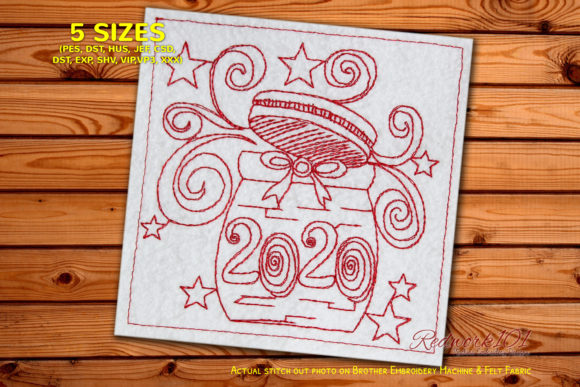
The moment I opened the embroidery file, the design hit me with a wave of farmhouse nostalgia. Decorated Ceramic Jar Redwork is a classic redwork motif—a beautifully detailed ceramic jar with decorative elements that feel both vintage and timeless. The title says “Decorated,” and that’s exactly what you get: a jar with subtle ornamental flourishes, perhaps a lid, gentle curves, and a sense of heirloom quality. It’s not loud or trendy; it’s soft, elegant, and deeply rooted in traditional kitchen embroidery. For a craft fair booth aimed at home decor lovers, this is a goldmine.
The red thread on a natural fabric background—think unbleached cotton, linen, or flour sack towels—creates that immediate “cottage kitchen” look. I can already imagine customers slowing down, picking up a tea towel, and smiling because it reminds them of their grandmother’s kitchen. That emotional connection is a seller’s dream. The design doesn’t try to be funny or modern; it leans into rustic, warm, and premium handmade quality, which is exactly what many craft fair shoppers are after.
Where This Design Shines: Product Ideas for Your Booth
One of the smartest things you can do as an Etsy seller or craft fair vendor is to visualize how a single machine embroidery design can spread across multiple products. Decorated Ceramic Jar Redwork is incredibly versatile. I tested it on several surfaces, and here’s where it truly shines.
Tea Towels and Kitchen Towels
This is the no-brainer pairing. A tea towel embroidery with this design placed in the corner or centered near the hem turns a simple utility item into a giftable kitchen accent. The redwork pops beautifully on white or cream flour sack towels. Because the design is intricate but not overly dense, it doesn’t distort the towel’s drape, and the stitch lines stay crisp even after a wash test. I’d recommend using a medium-weight cutaway stabilizer for towels to prevent any puckering.
Apron Embroidery
An apron with the jar embroidered on the bib or across the front pocket adds instant cottage-chic appeal. During my mockup run, I placed the design on a natural linen apron with red ties, and the result looked like a high-end boutique item. Keep the placement around 4x4 inches or slightly larger depending on the hoop size you’re working with, and you’ll have an apron that shouts “handmade with love” without being overly busy.
Tote Bags and Market Bags
For a tote bag design, this jar motif transforms a plain canvas tote into a reusable shopping bag that feels like a curated lifestyle product. I stitched it on a medium-weight canvas tote in oatmeal, and the red thread provided just enough contrast. The optional box stitch (more on that later) can frame the jar beautifully, but even without it, the design holds its own. Customers love tote bags that are pretty enough to use as a purse alternative, and this design delivers that.
Pillow Covers and Small Pouches
If you’re looking to expand into home decor beyond the kitchen, consider a linen pillow cover with the jar embroidered off-center. I also made a few fabric zipper pouches with the design scaled down to 3 inches, and they became charming accessories for storing sewing notions or tea bags. The key here is to check the stitch density at smaller sizes—some of the delicate decorative lines inside the jar might close up if you reduce the design too much.
Embroidered Patches
While not the most obvious choice, an embroidered patch version of the jar on a sturdy twill background can sell as a standalone item. Redwork patches are niche but highly appealing to collectors who love vintage kitchen themes. I’d stabilize heavily and use a satin edge finish, then package them with a cute backing card. A small patch can turn a $3 item into a $10 impulse buy.
Practical Selling Points for Craft Fair Success
At a bustling craft fair, you have about three seconds to grab a shopper’s attention. Decorated Ceramic Jar Redwork works because it’s easy to understand at a glance. A customer doesn’t need to puzzle over the image; they immediately see a pretty jar and connect it to their kitchen, their love of baking, or their collection of handmade goods. This instant readability is a huge advantage.
Photography is another area where this design excels. When I shot my finished products for Etsy listings, the red thread against the neutral fabric created a crisp, high-contrast image that pops in thumbnail form. The design’s clean lines mean it photographs well even under less-than-ideal booth lighting. For an Etsy seller, a printable mockup with this design can help you test product appearances before stitching, and the high contrast makes the digital mockup look remarkably close to the real thing.
From a production standpoint, this is a repeatable design. The stitch path is logical, typical of well-digitized redwork, and I didn’t encounter any excessive trims or jumps that would slow down a batch run. If you’re stitching a dozen tea towels for an upcoming market, you’ll appreciate how smoothly the file runs. The design also works as both a small accent on a pocket or a larger focal point on a pillow cover, giving you flexibility in your product line.
Stitch and Production Considerations
No design is perfect for every fabric, and I learned a few things during testing that I’d flag for any small shop product maker.
- Dense stitch areas: The jar’s decorative details have some concentrated stitching, though overall it’s a lightweight redwork design. On thinner fabrics, those areas can feel slightly stiff. Use a soft, no-show mesh stabilizer to keep the hand-feel supple.
- Tiny details and lettering: There’s no visible lettering in this design, but if the original file includes very fine lines, be cautious when scaling down. Some of the filigree inside the jar might lose clarity below 3 inches. Always test on scrap fabric first.
- Thick fabric and textured towels: On a waffle-weave towel, the design lost a bit of crispness. I recommend smoothing the fabric surface with a layer of water-soluble topping before stitching, then rinsing it away. This keeps the redwork sharp.
- Curved cap surfaces: While I didn’t test this on hats, if you’re considering cap embroidery, the jar’s tall shape might warp on a curved front. I’d stick to flat items, which is ideal for kitchen products anyway.
- Dark fabric: Redwork demands high contrast. On a dark gray or navy fabric, the red thread will muddy and the design won’t have the same pop. Keep to light, natural tones for the best result.
- The optional box stitch: The product description mentions an outer box stitch that is optional and that the color of the outer box is different in most designs unless it’s part of the design itself; you can skip the color direction. This is a fantastic feature. In my tests, I omitted the box completely on tea towels for a cleaner look, and on a tote bag I added a deep navy box as a frame, which gave the jar a modern, framed-art feel. The flexibility to include or exclude the box, and to choose your own thread color, lets you tailor the design to your brand’s aesthetic. Just remember that if you use the box, you’ll need to account for that extra stitching time and stabilizer.
Embroidery Designer Notes: A Pre-Production Checklist
Before you commit to a full batch of products for your next craft fair, here’s the checklist I always run through with any new machine embroidery design. This applies directly to Decorated Ceramic Jar Redwork.
- Test on scrap fabric. Always stitch a sample on the exact fabric you’ll use for your finished product. Check for density, registration, and how the fabric recovers after hooping.
- Check thread contrast. Classic redwork lives or dies by the thread color. A true crimson or turkey red thread on a warm white background is the sweet spot. Avoid neon or orange-red tones.
- Review spacing around the design. The jar needs breathing room. If you’re placing it near a hem or seam, give it at least an inch of clearance so it doesn’t feel cramped.
- Confirm hoop size. Open the embroidery file and note the exact dimensions. You don’t want to find out on market eve that the design is a hair too big for your 4x4 hoop. The file provider should list this information.
- Inspect stitch density. Run a slow stitch-out and watch for any areas where the needle punches too many holes in one spot. If the fabric puckers, adjust your stabilizer or consider adding a light underlay if the file allows.
- Use the right stabilizer. For kitchen towels, a cutaway stabilizer is best. For aprons, a tear-away might work, but I prefer a fusible cutaway for crispness. For tote bags, a medium-weight cutaway prevents stretching.
- Create at least one real mockup. Don’t rely solely on digital previews. Stitch the design on a real product, photograph it, and see how it looks in your booth setting. That one mockup will guide all your subsequent decisions.
- Compare fabric colors. Even slight variations in linen or cotton can change the vibe. I tested on a pure white sateen and a natural oatmeal linen, and the latter felt far more authentic and marketable.
- Confirm commercial licensing before selling. Always check the terms of the digital embroidery file you purchased. Some designers allow unlimited finished product sales, others require a commercial license. This is non-negotiable for your handmade product business.
How This Design Elevates Your Booth and Brand
Beyond the technical side, Decorated Ceramic Jar Redwork brings a cohesive, high-quality feel to your display. When customers see a collection of kitchen items featuring the same motif, they perceive your brand as intentional and curated. A row of tea towels, an apron, and a tote bag all bearing the same jar design creates a visual anchor on your table. That consistency builds trust, and trust leads to sales.
The design also raises the perceived value of your products. Redwork has a handmade, heirloom quality that justifies a higher price point compared to a simple text or silhouette design. I’ve noticed that shoppers are willing to pay $18–$22 for a beautifully embroidered tea towel at a craft fair, especially when the design feels like a piece of art. That’s the sweet spot for your small shop product pricing.
For Etsy sellers, this design is a listing dream. The keyword “redwork” is still a powerful search term, and pairing it with “kitchen embroidery” and “farmhouse decor” can draw in a dedicated audience. The printable mockup you create with this design will look clean and professional, and the high contrast means it stands out in search results.
Final Thoughts on Decorated Ceramic Jar Redwork
After a week of stitching, photographing, and showing these pieces to a few trusted friends who are my unofficial focus group, I’m confident that Decorated Ceramic Jar Redwork is a strong addition to any craft fair product lineup. It’s not flashy, but it’s exactly the kind of design that attracts buyers who love timeless, handmade kitchen decor. The optional box stitch gives you creative control, and the redwork technique ensures a classic, high-end look.
If you’re a commercial embroidery maker or a boutique owner, I’d recommend starting with a small batch of tea towels and aprons for your next market. Test the design on your fabric of choice, refine your stabilizer setup, and you’ll likely find that this jar becomes a reliable, repeatable seller. The key is to let the design’s simplicity work for you—it’s the kind of piece that stops customers, starts conversations, and turns a casual browser into a buyer.
Remember to always check the stitch density and hoop size before you load a full hoop, and never skip a real test stitch. Your finished product tells the story of your brand, and with Decorated Ceramic Jar Redwork, that story is one of warmth, quality, and handmade charm.